

Isopods for Sale
Live isopods for bioactive terrariums, vivariums, and collectors. Carefully bred, securely shipped, and backed by our live arrival guarantee.
Filters
30 products
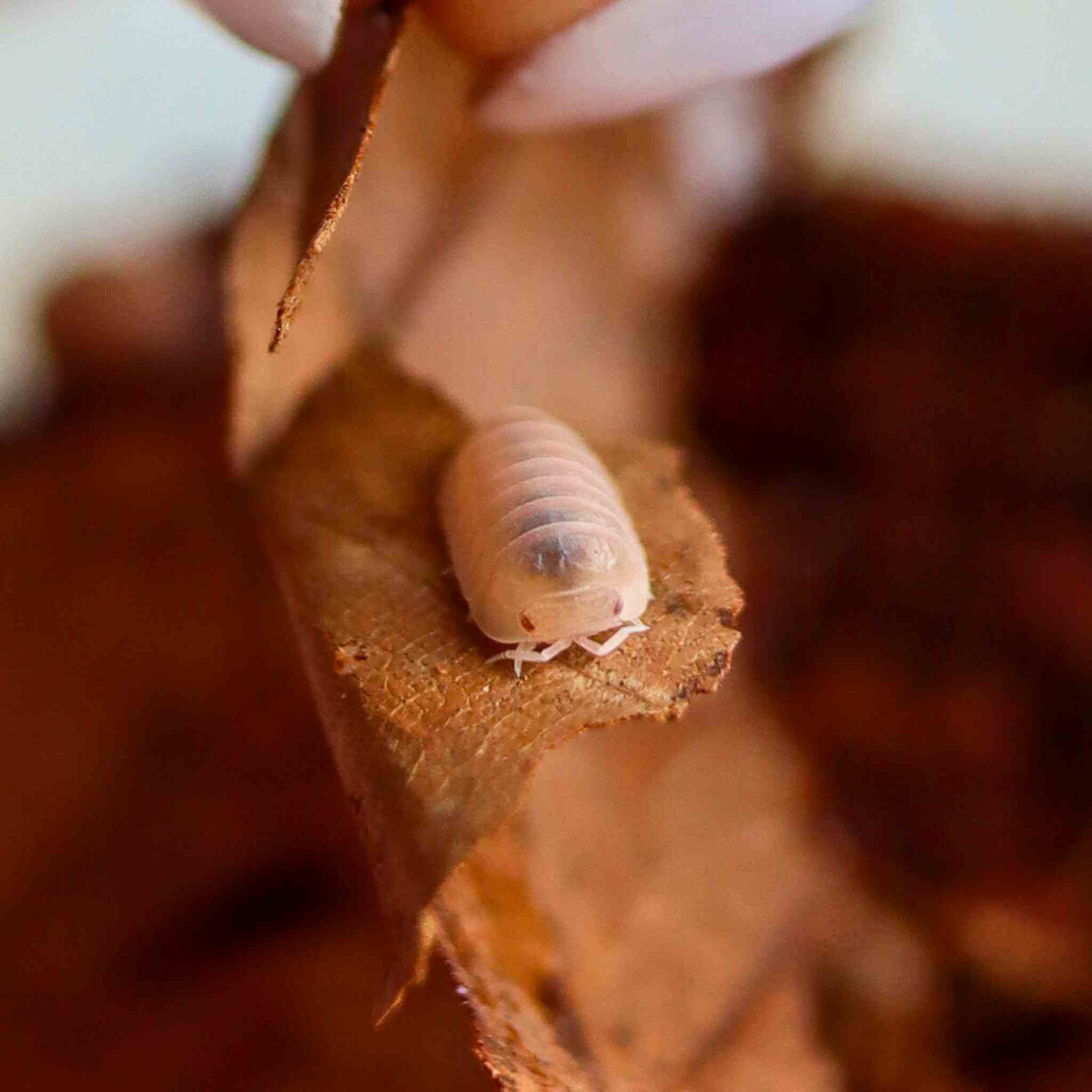
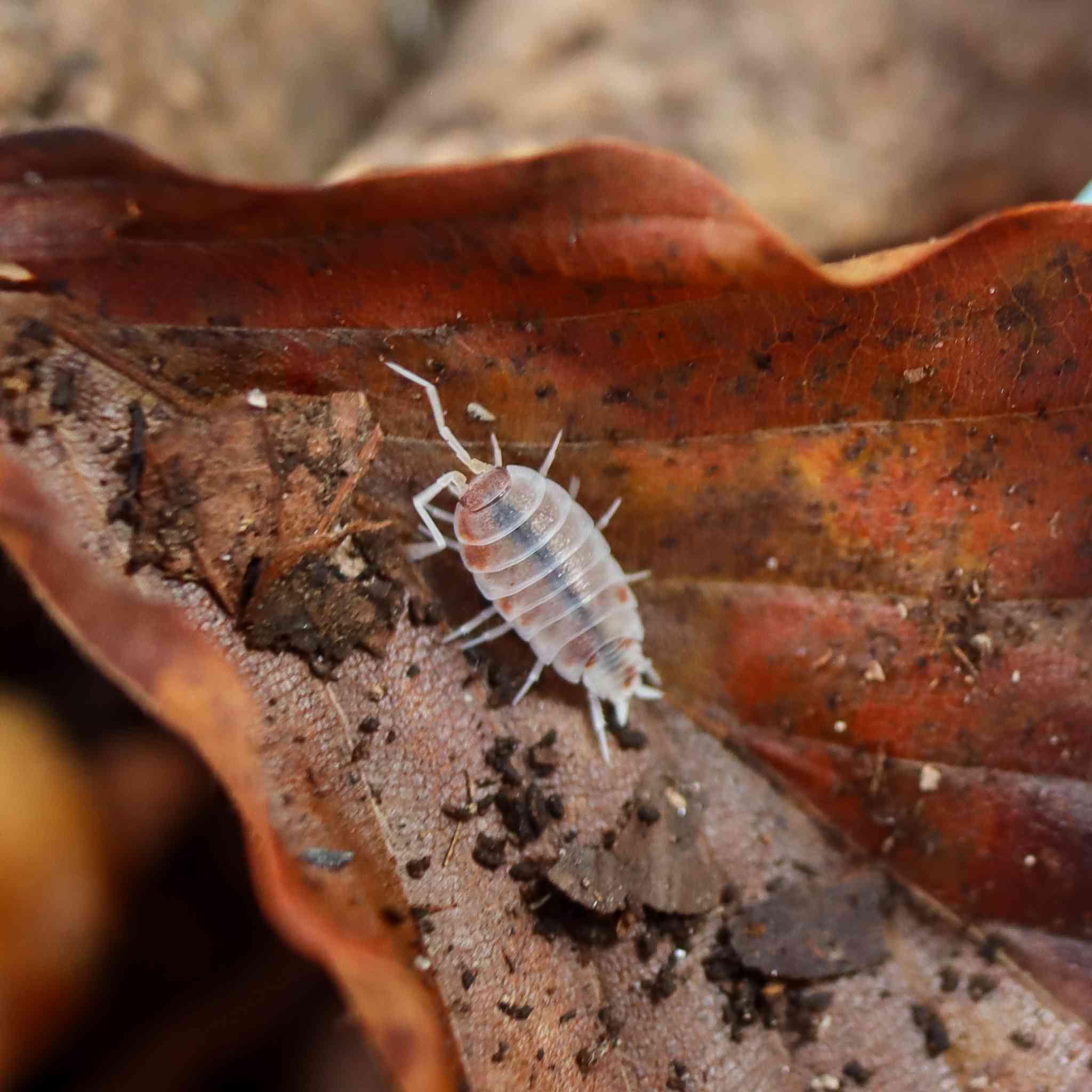

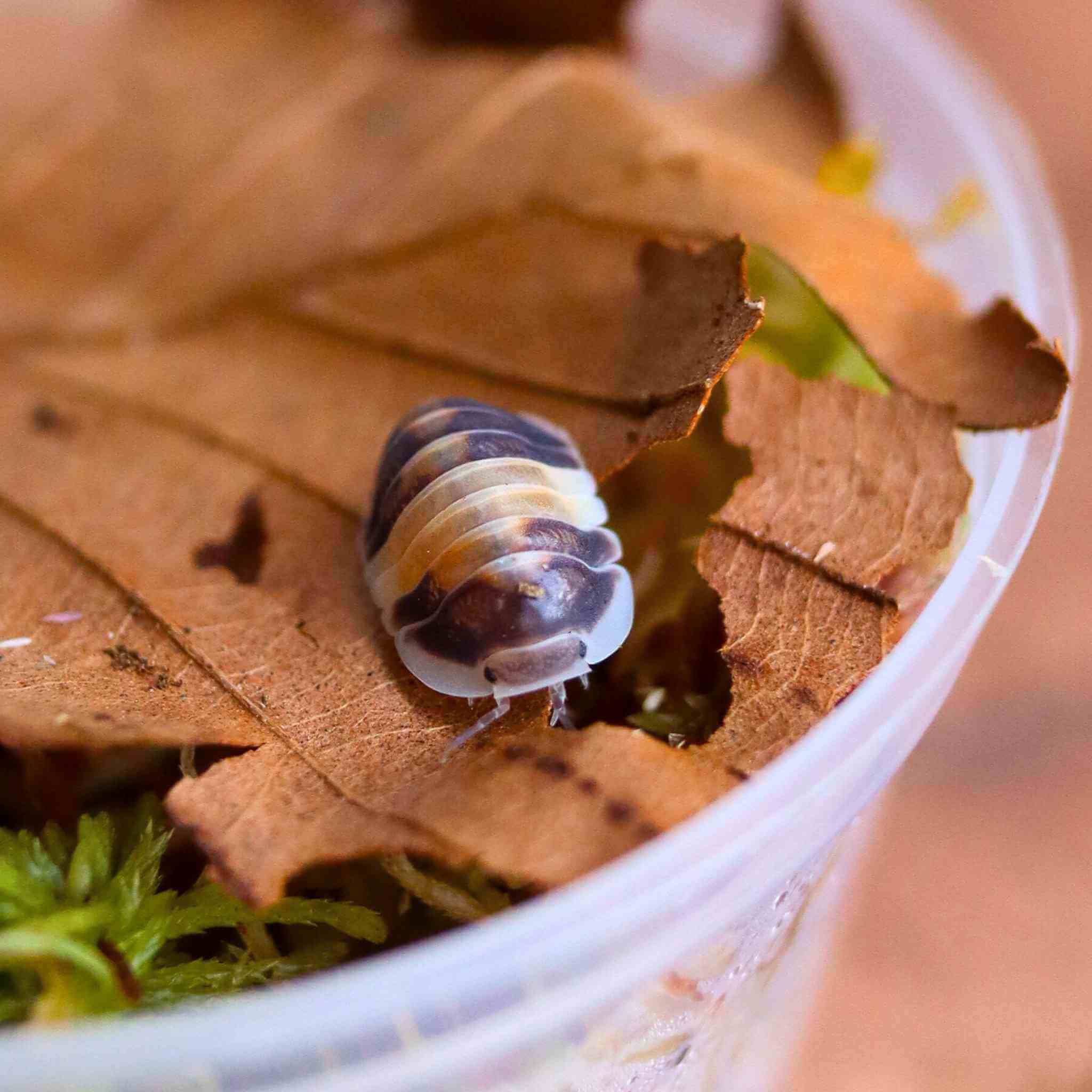
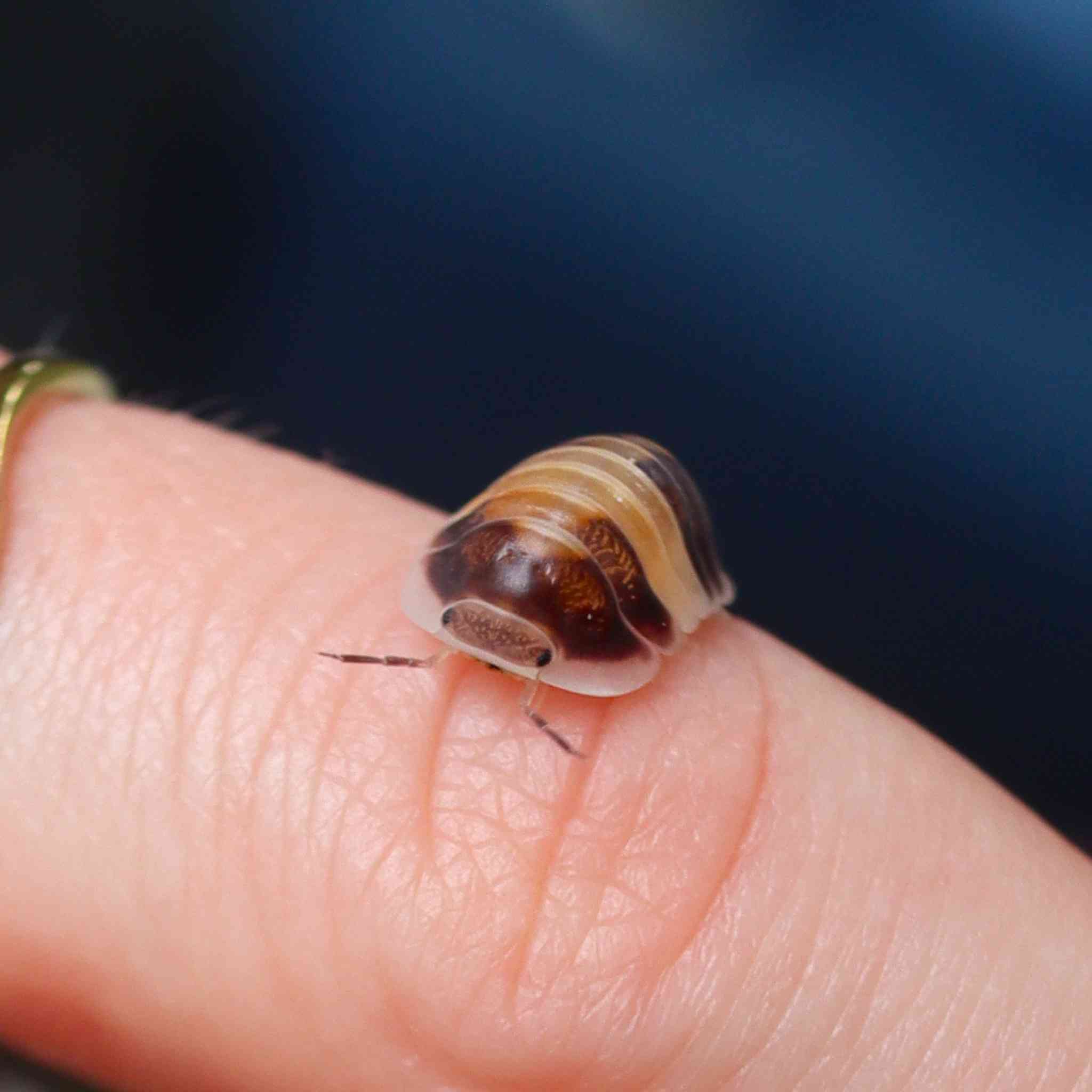


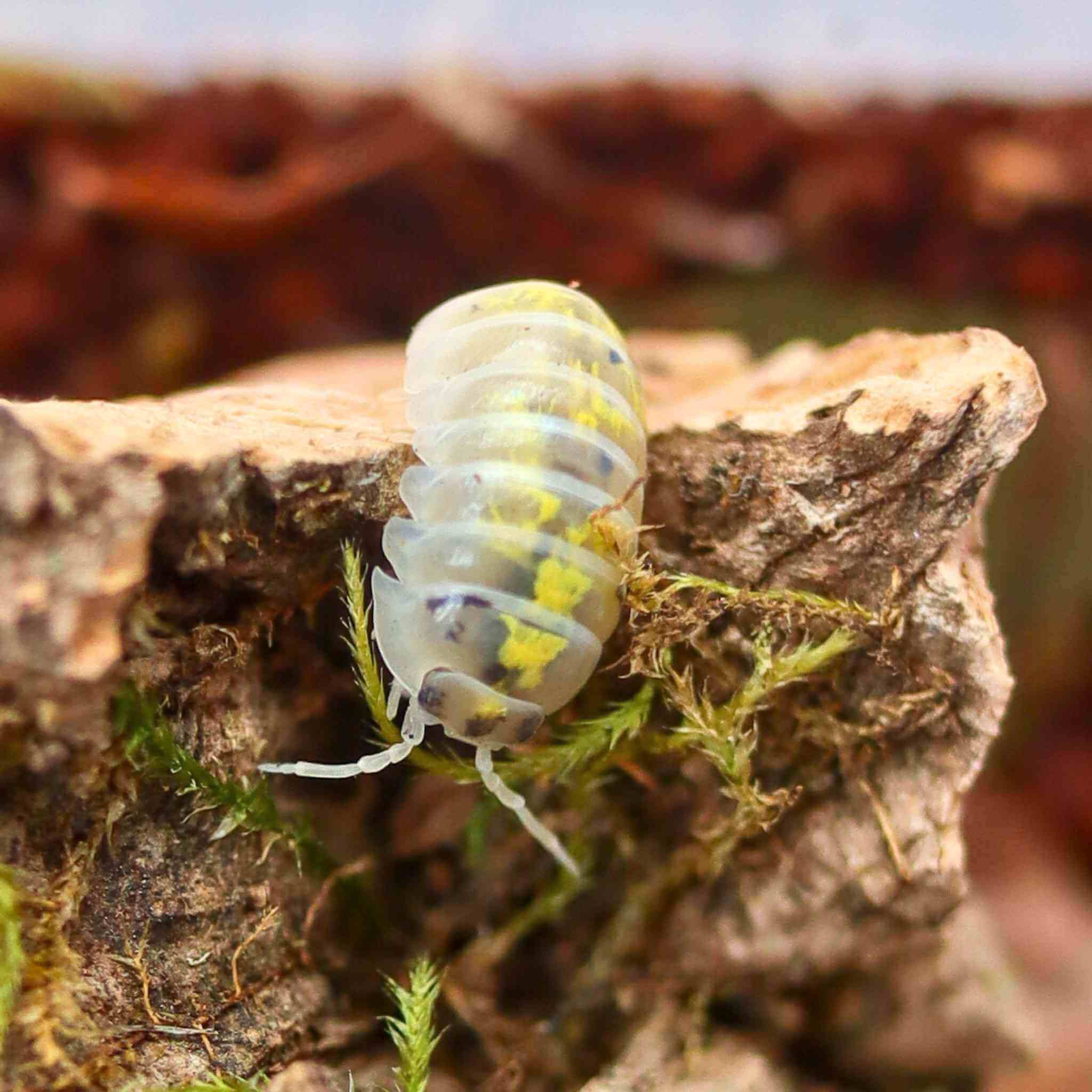
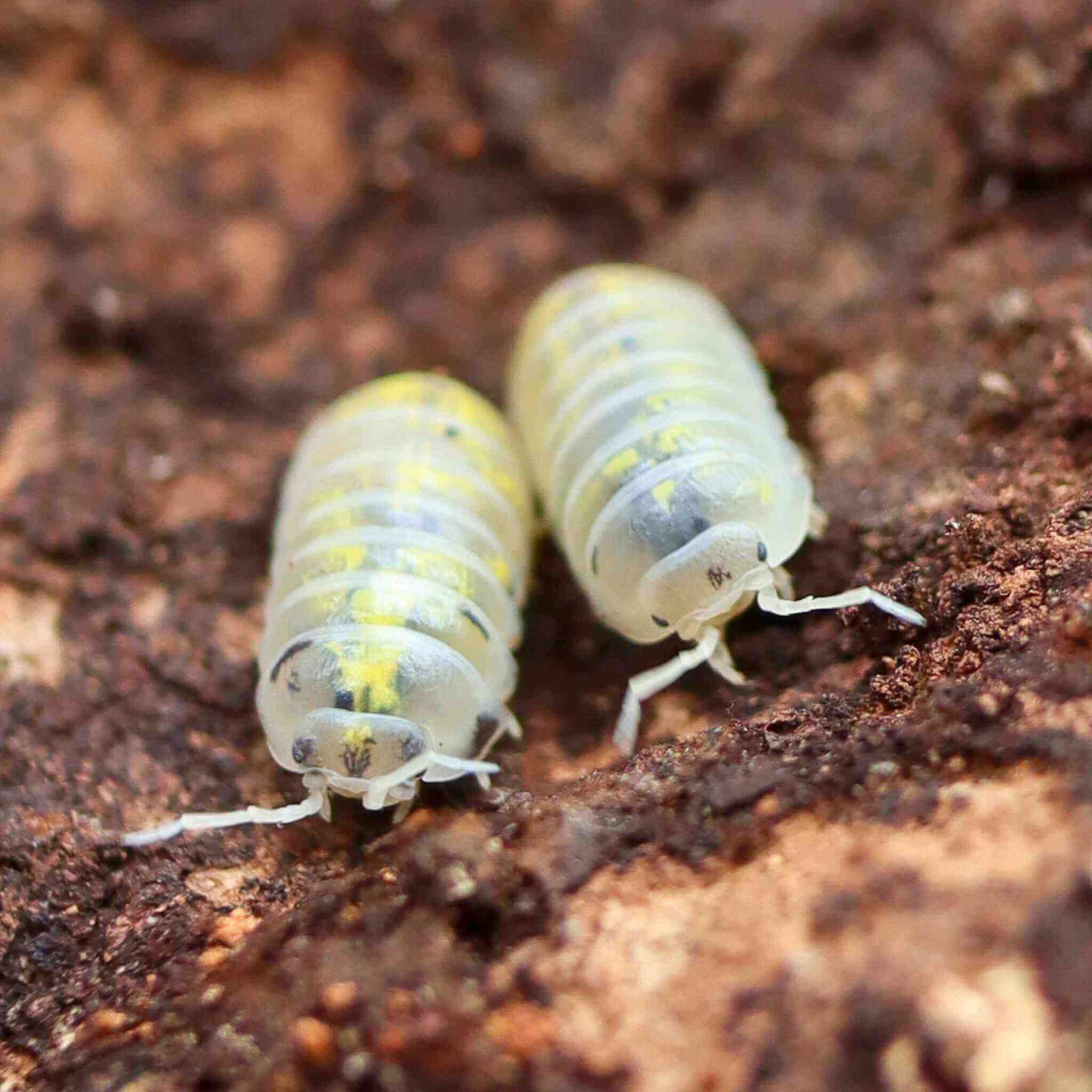
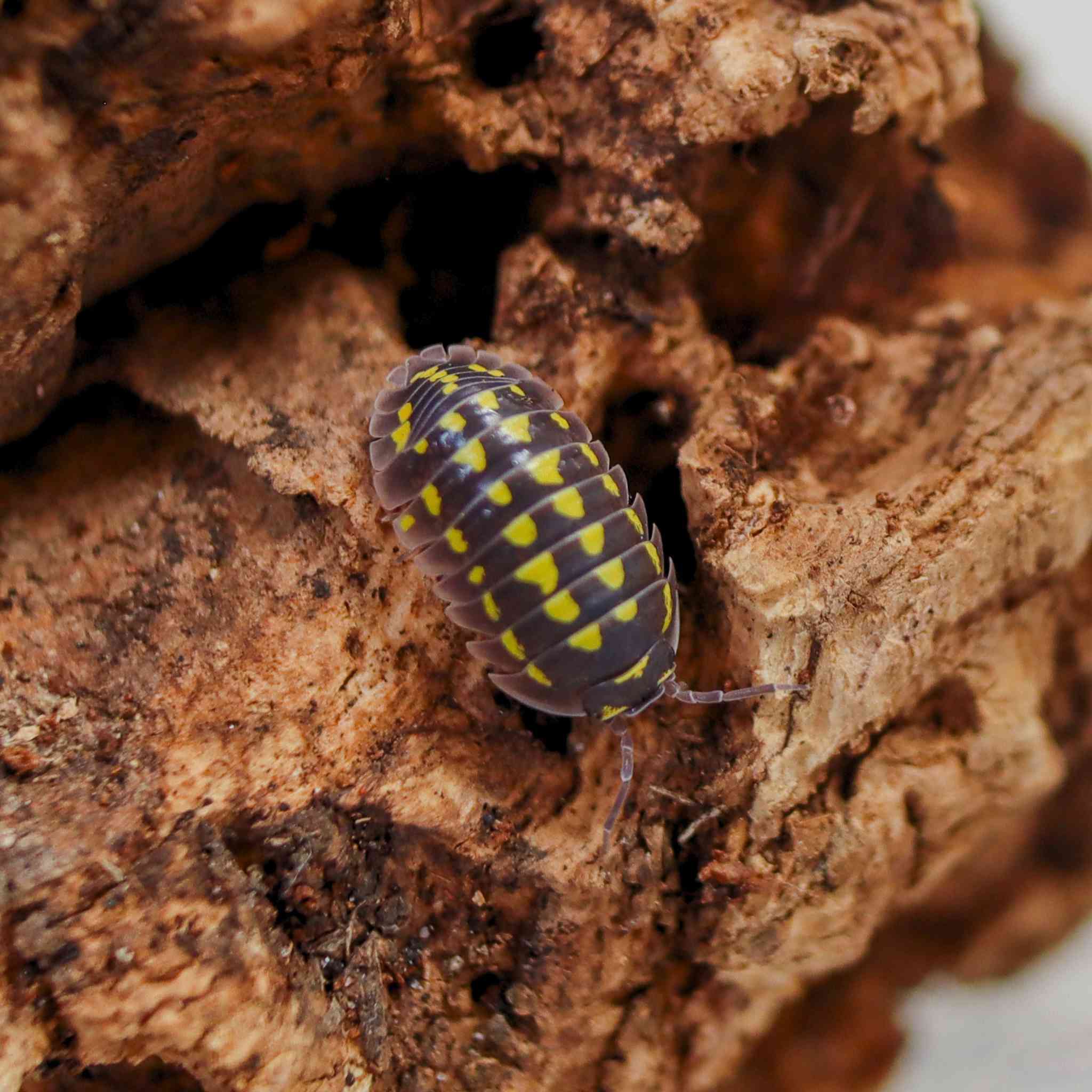
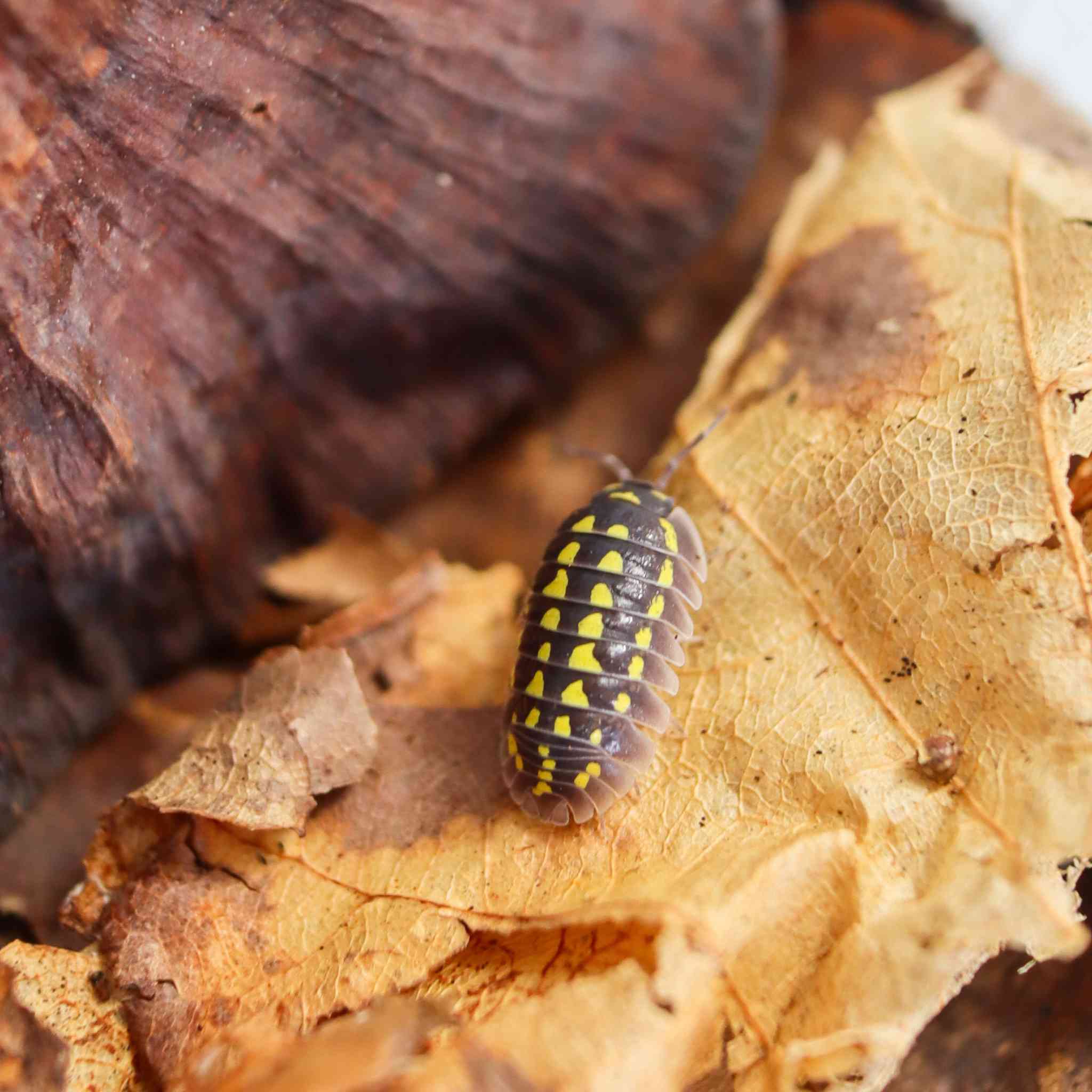
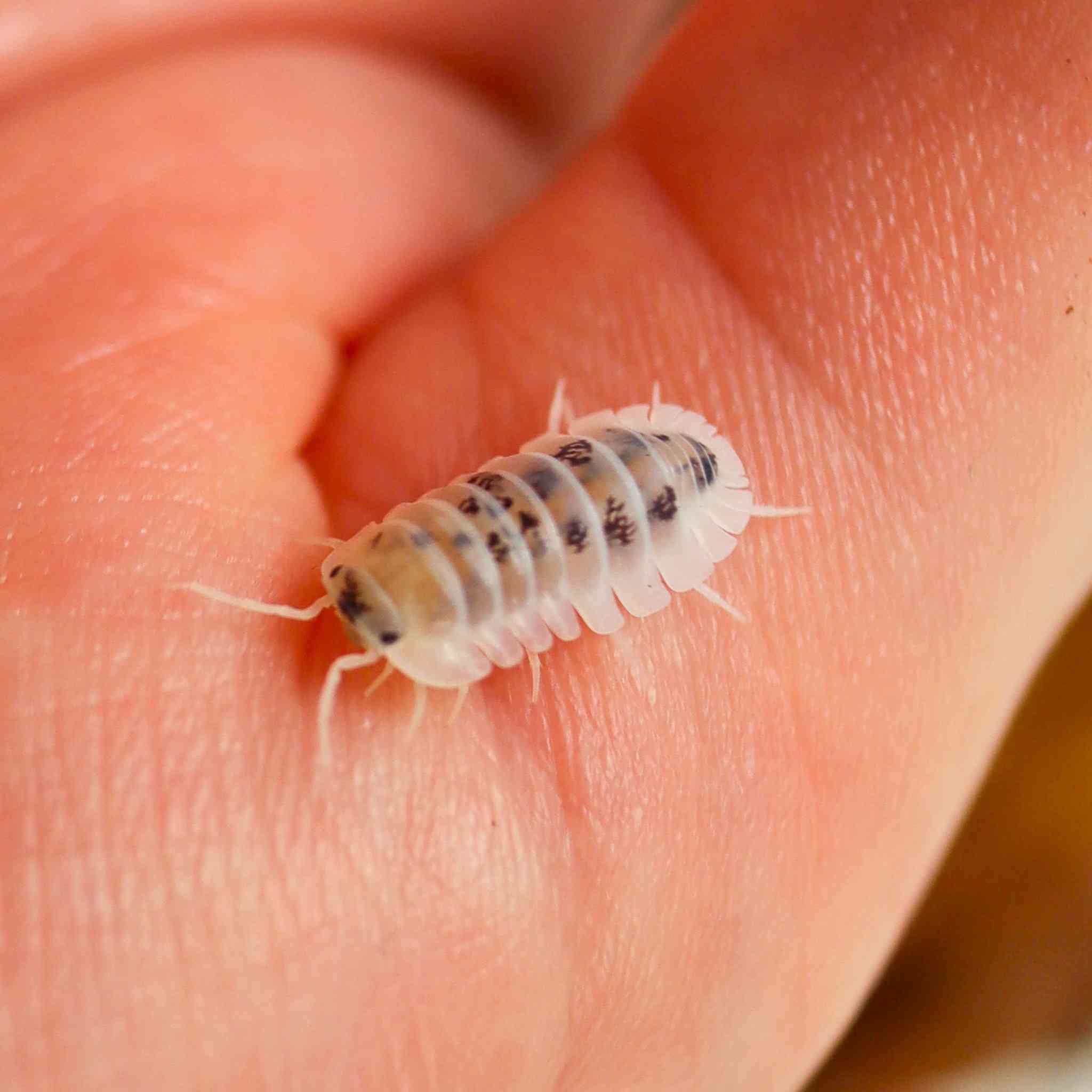
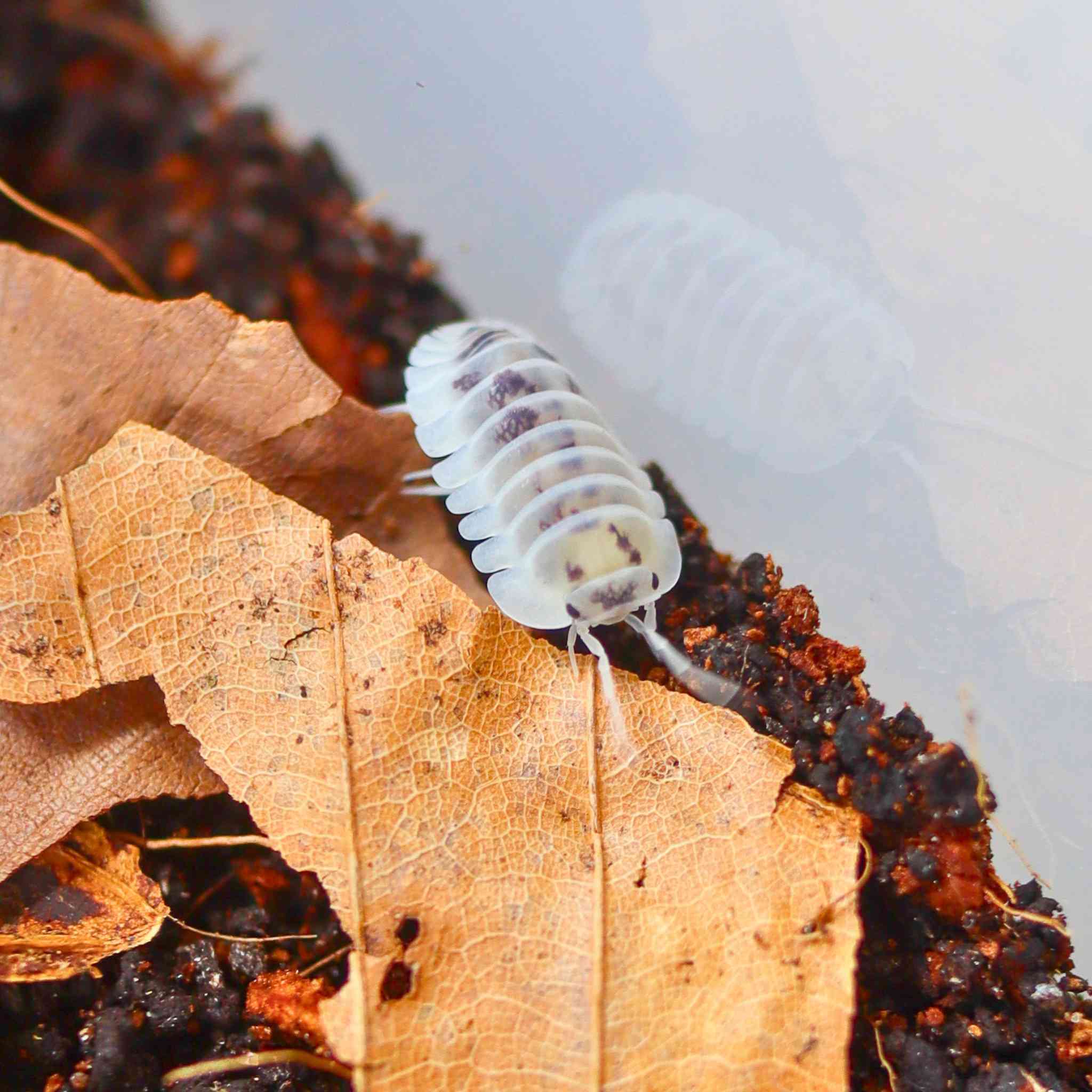
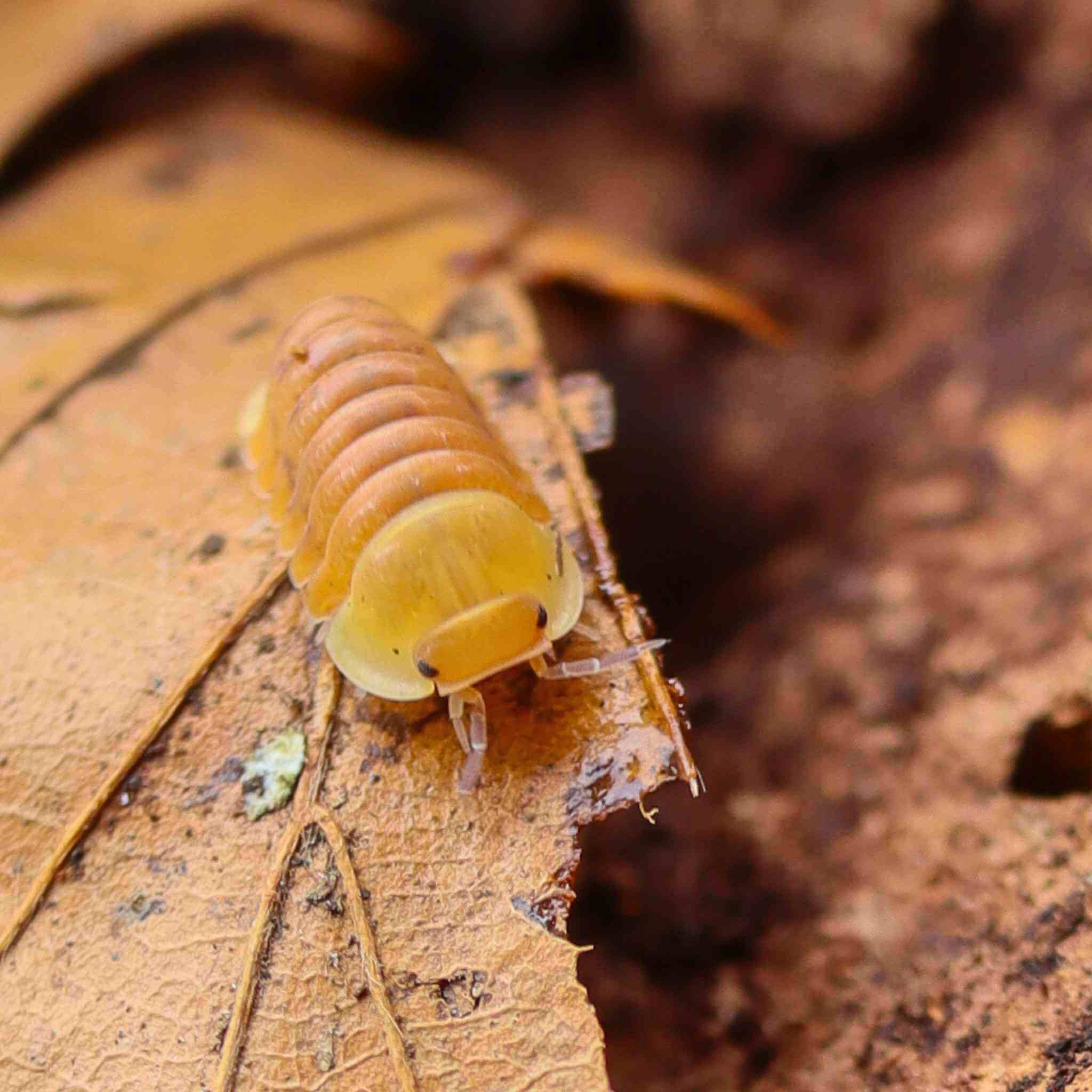
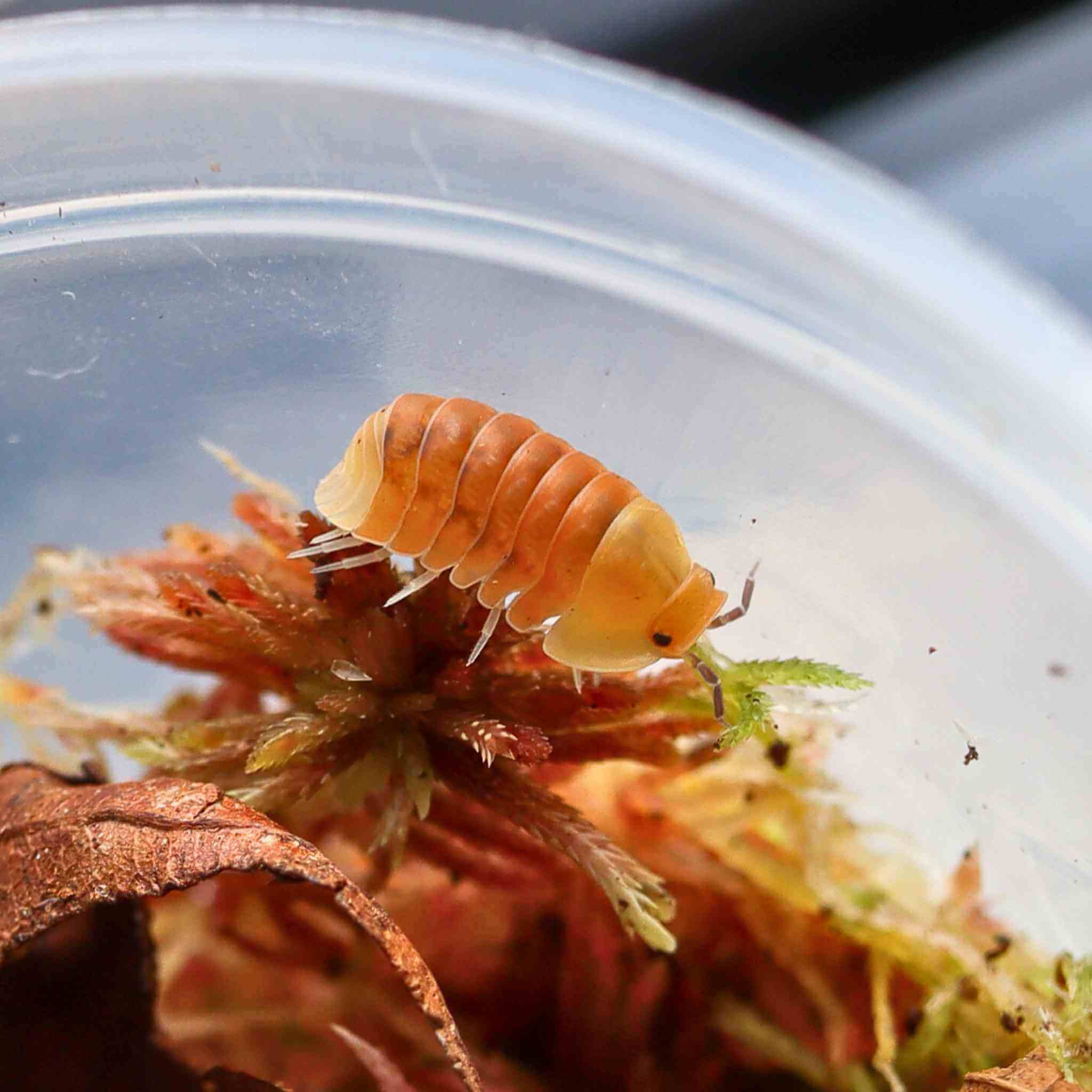


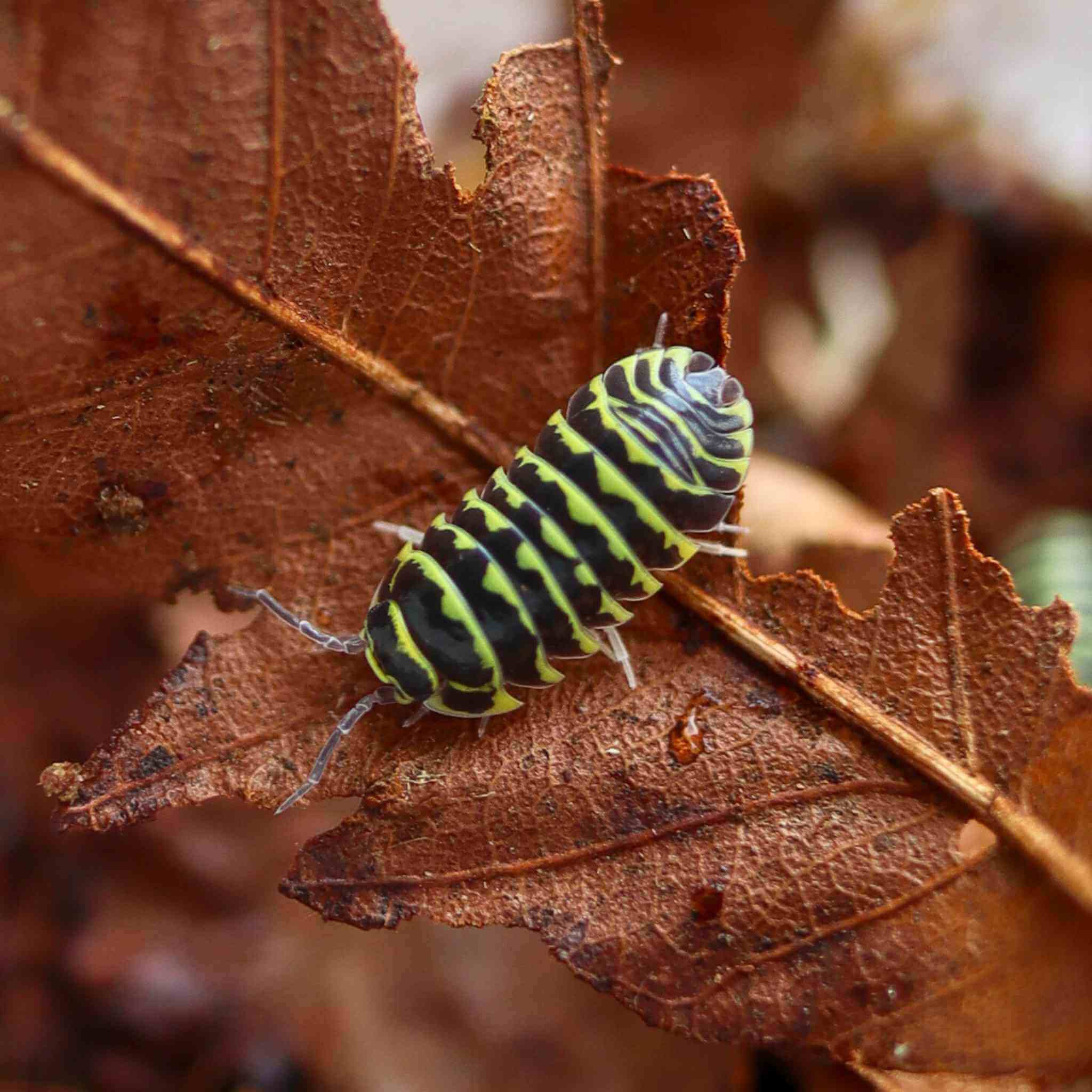
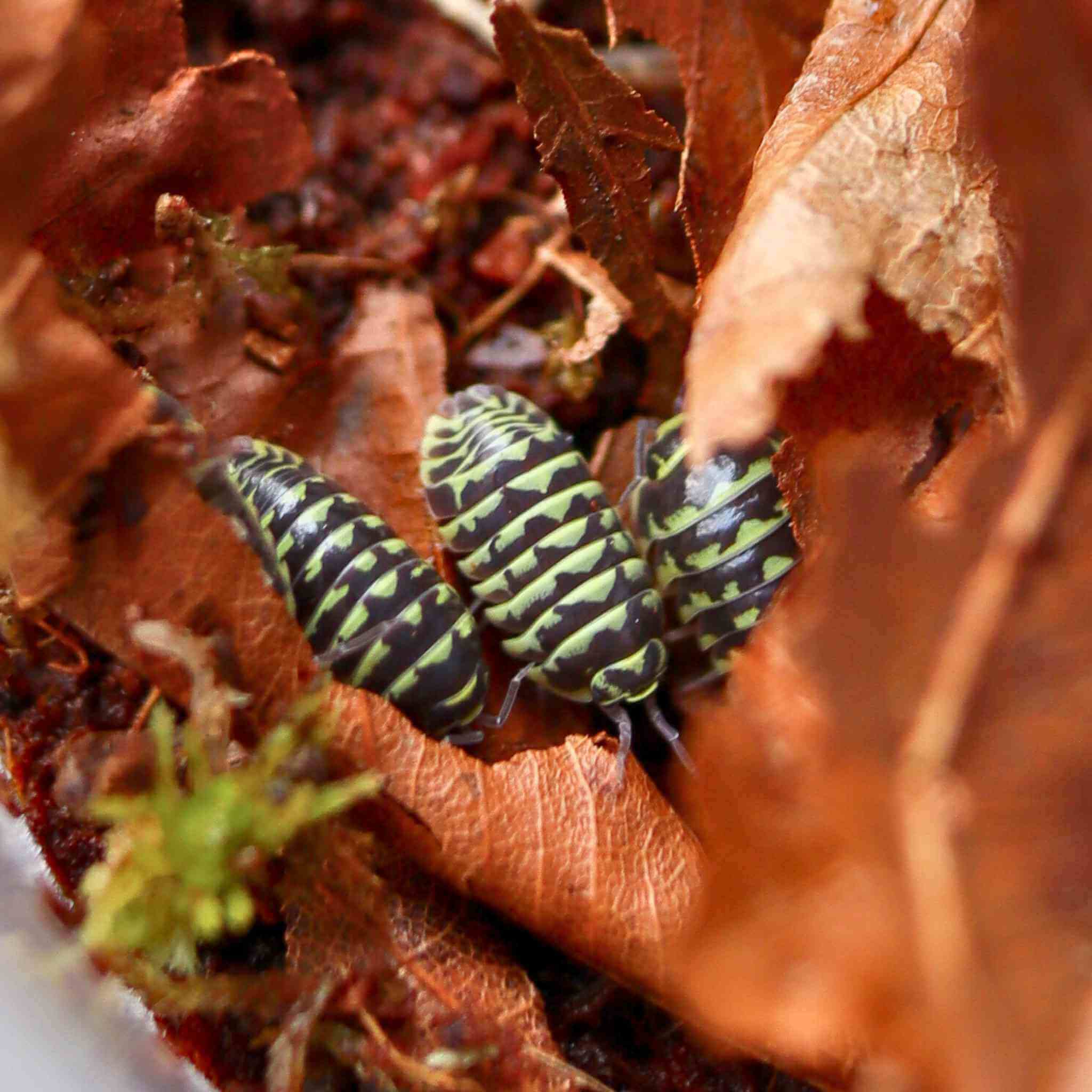
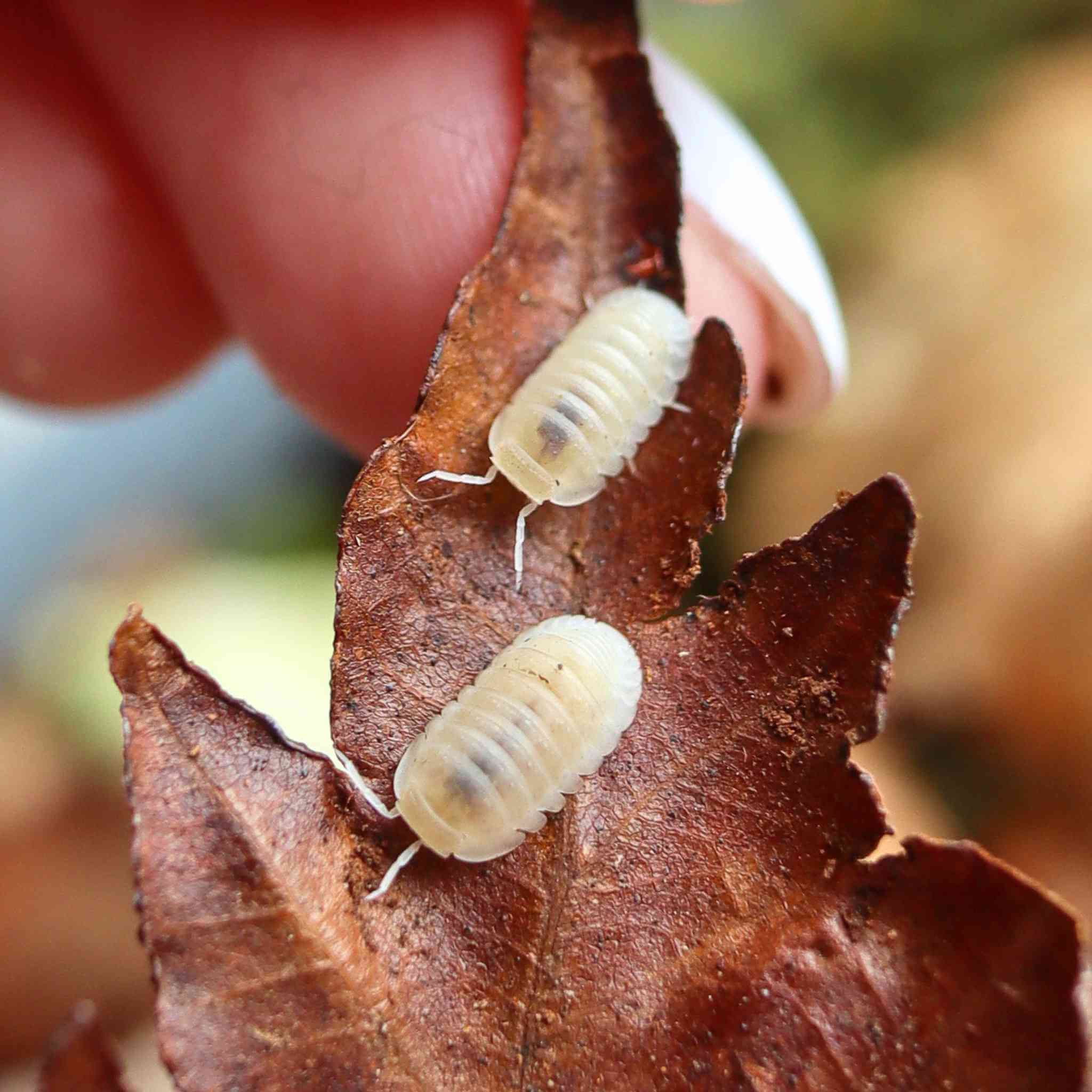
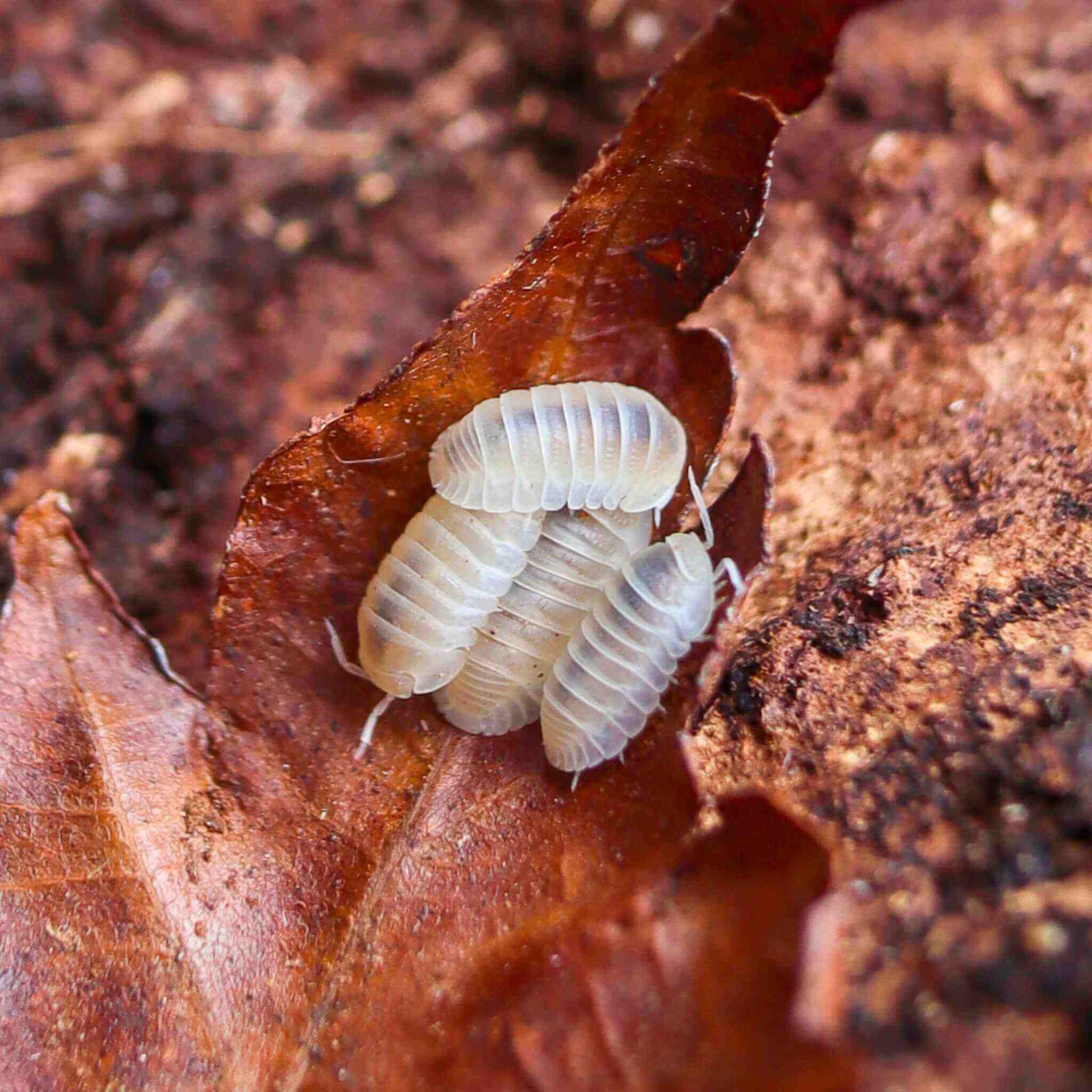
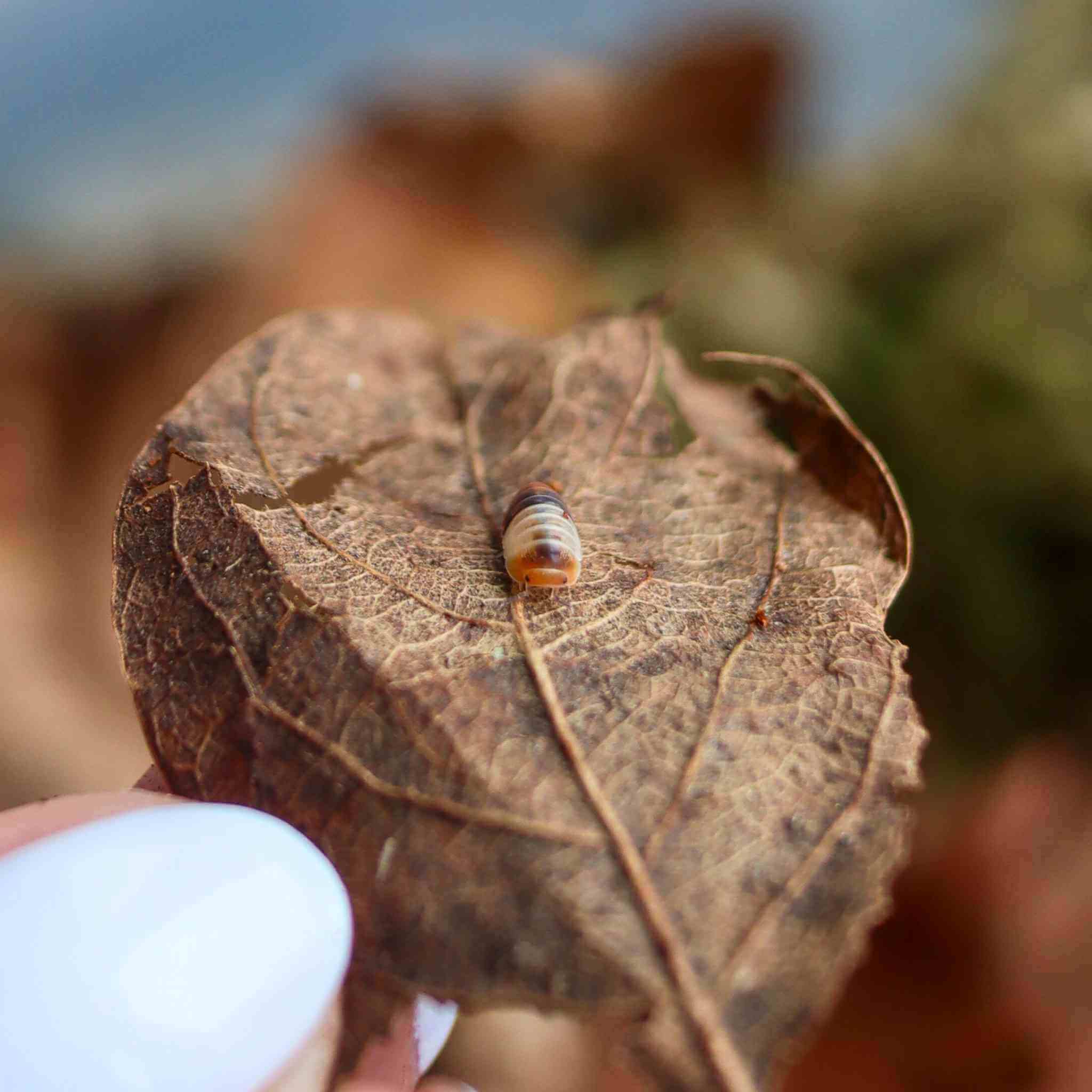
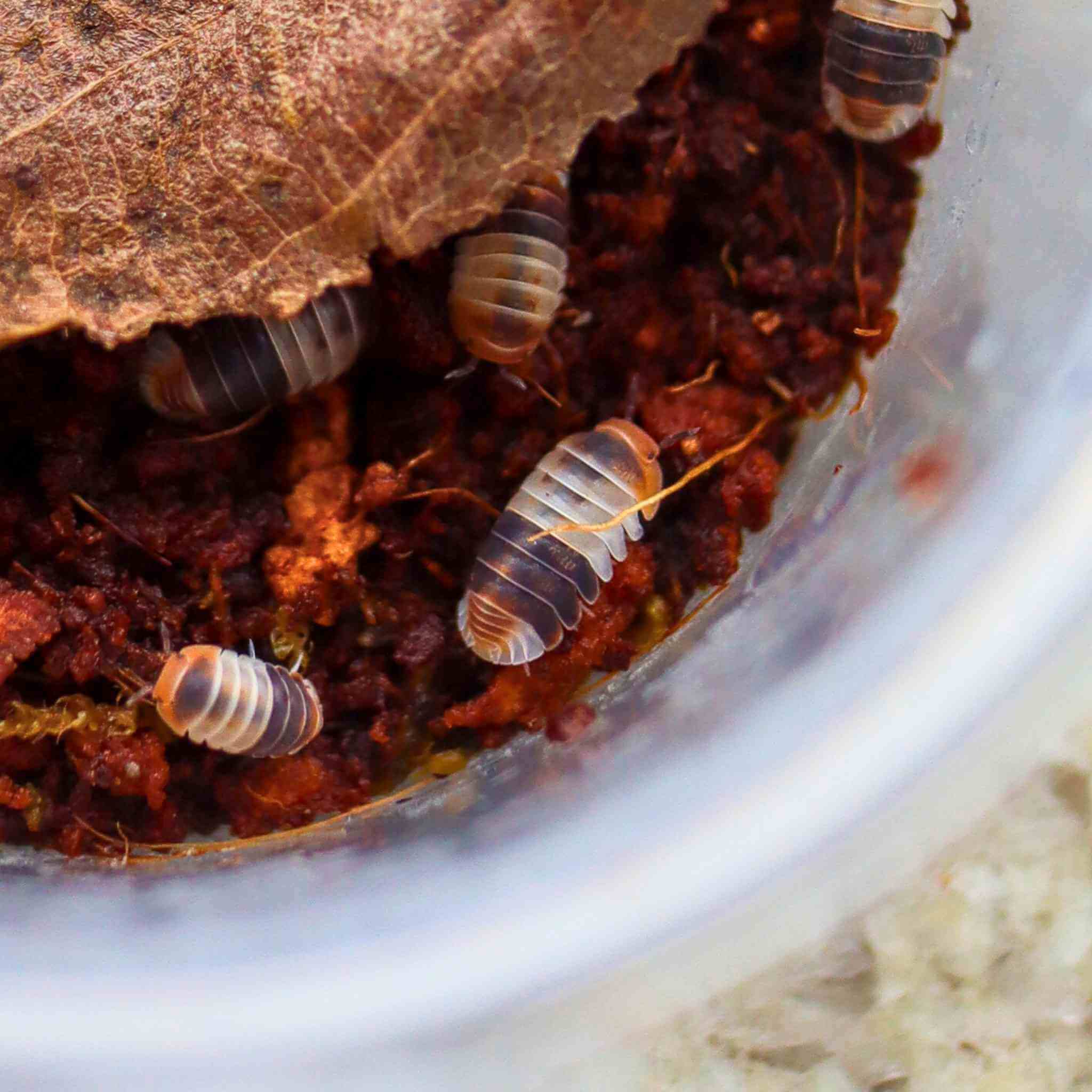
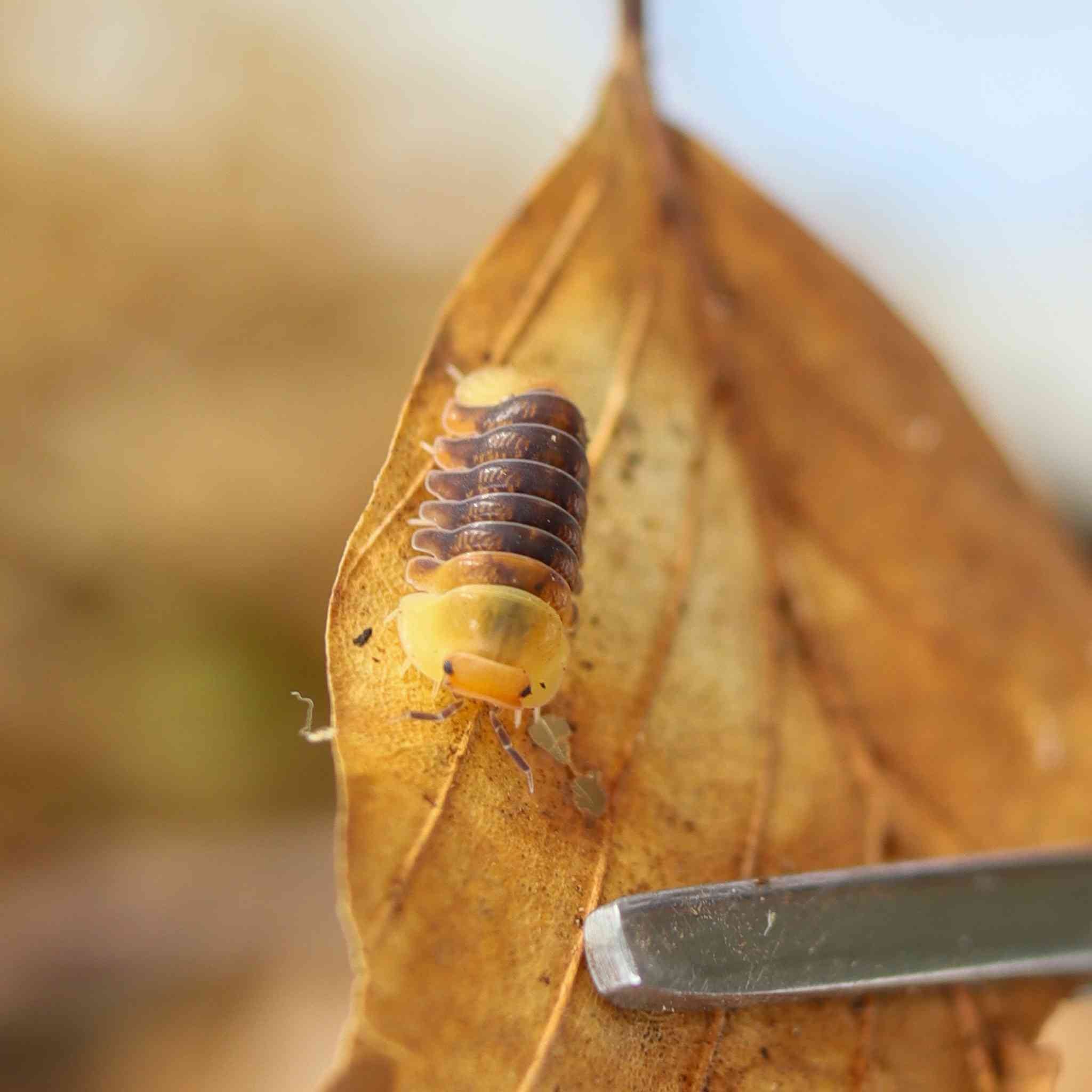
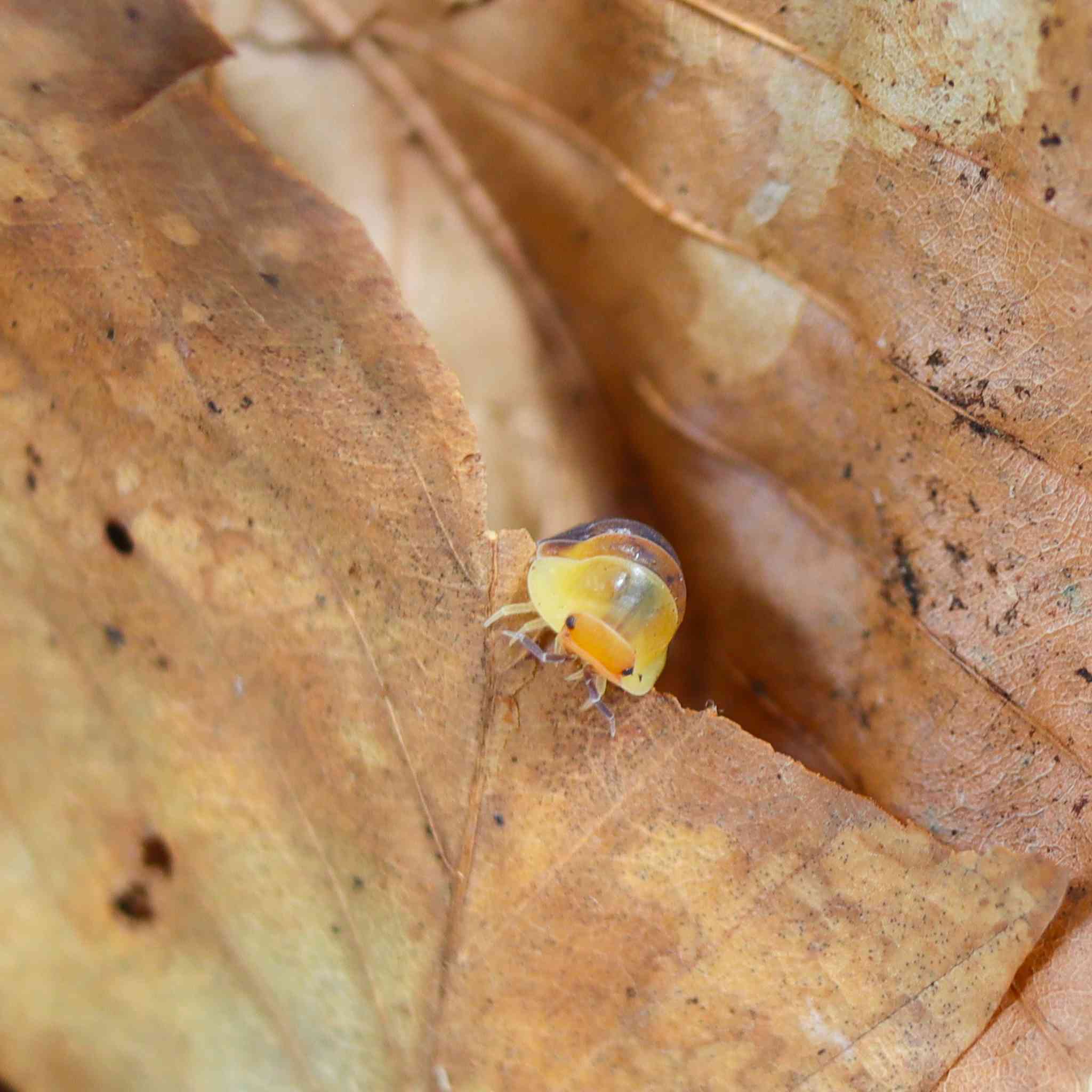
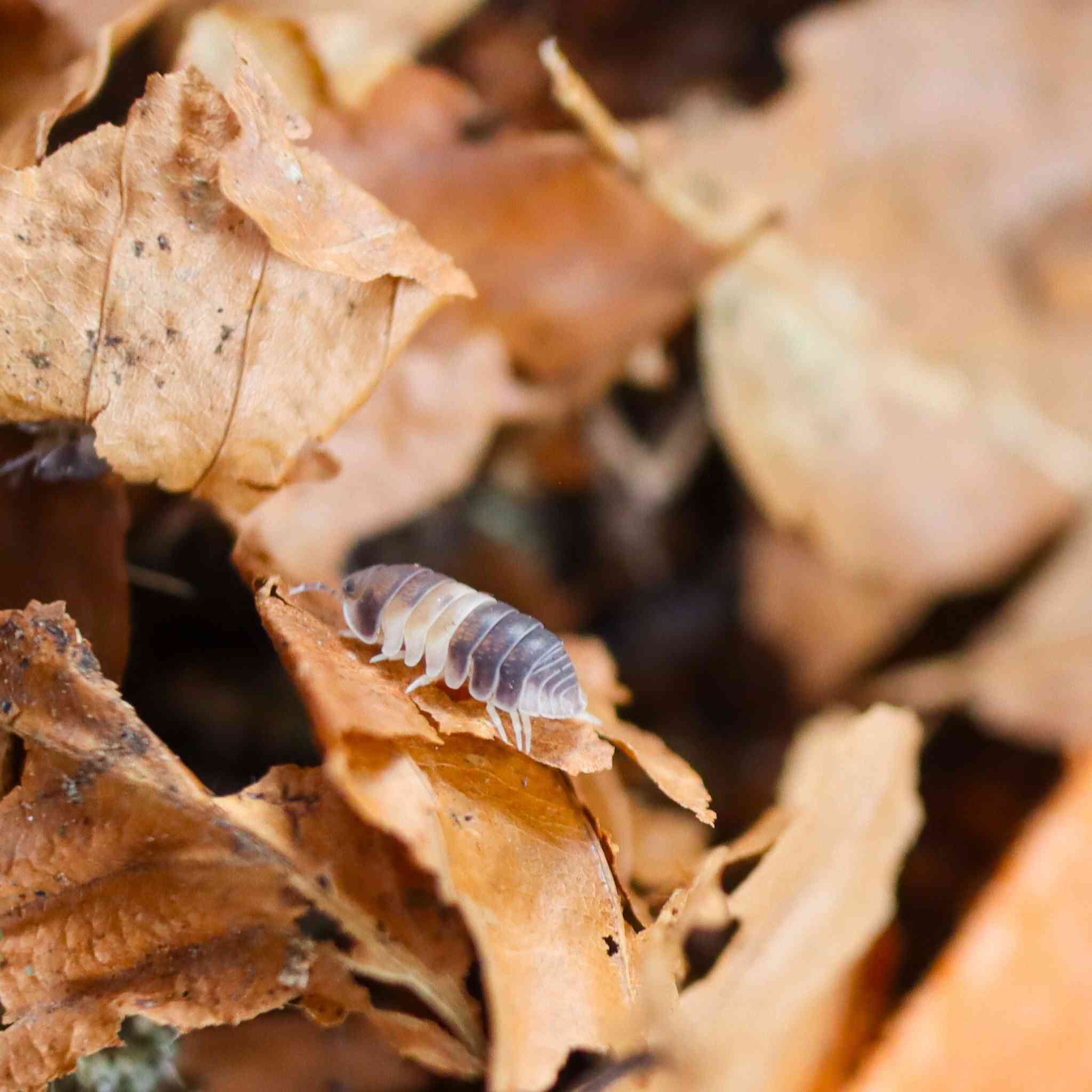
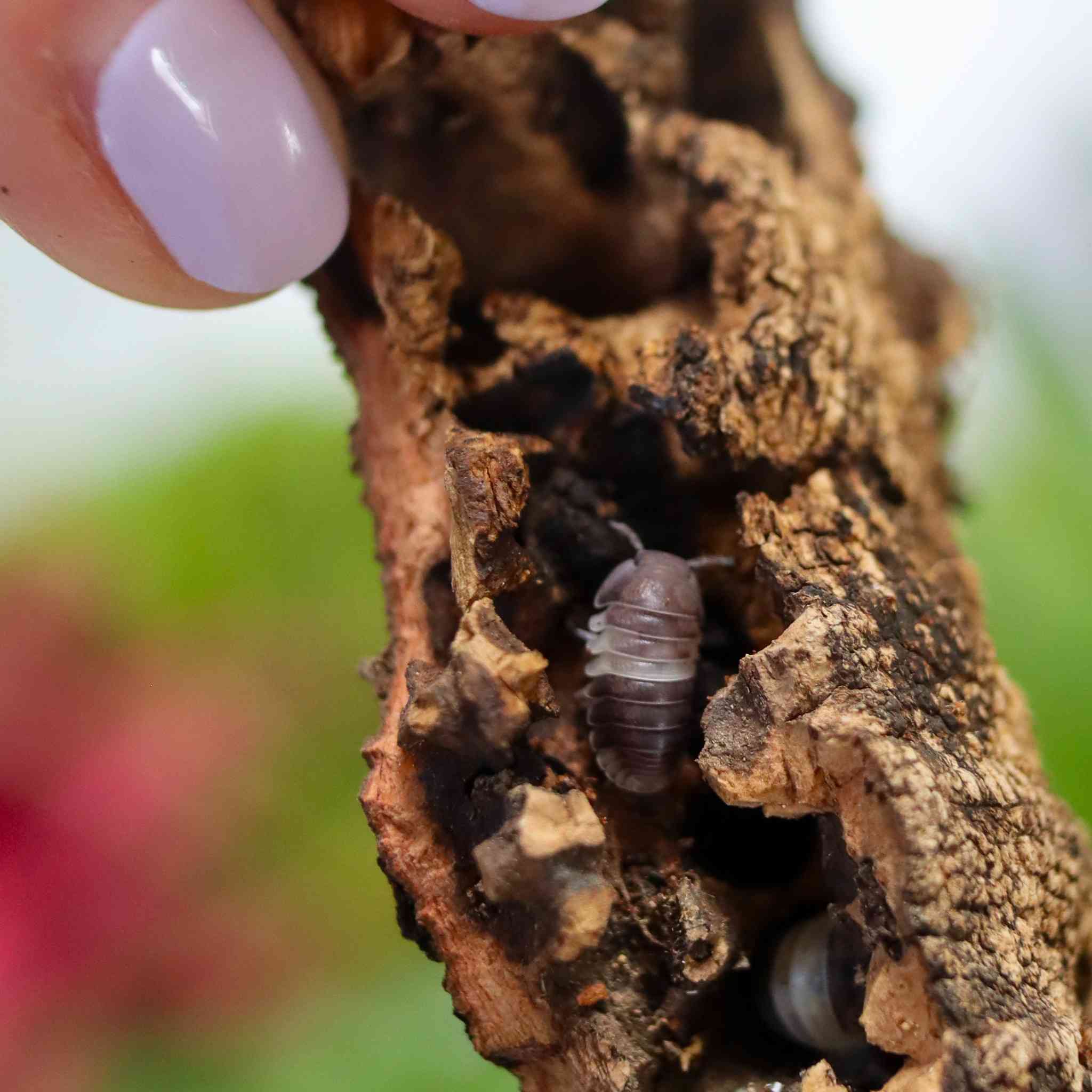
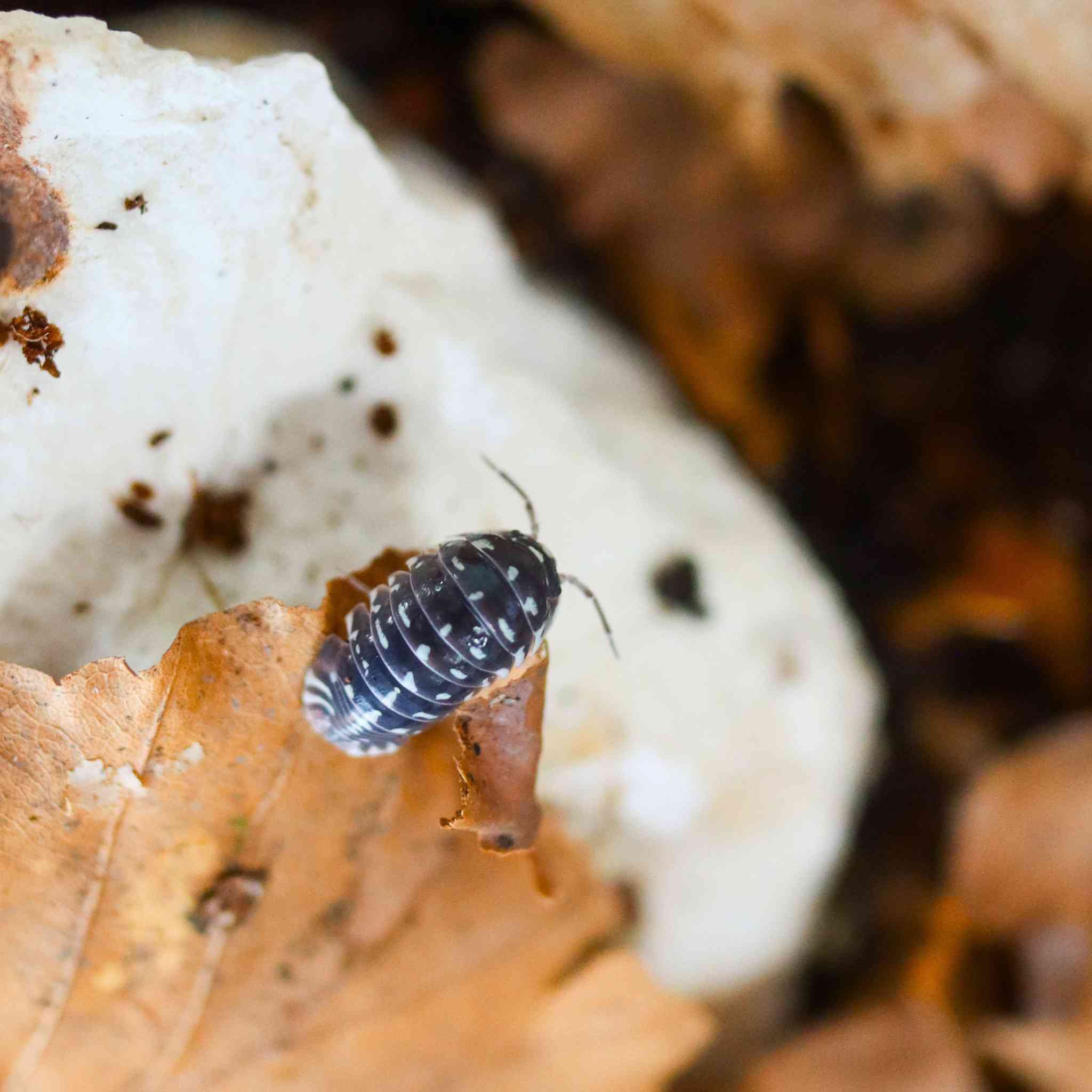
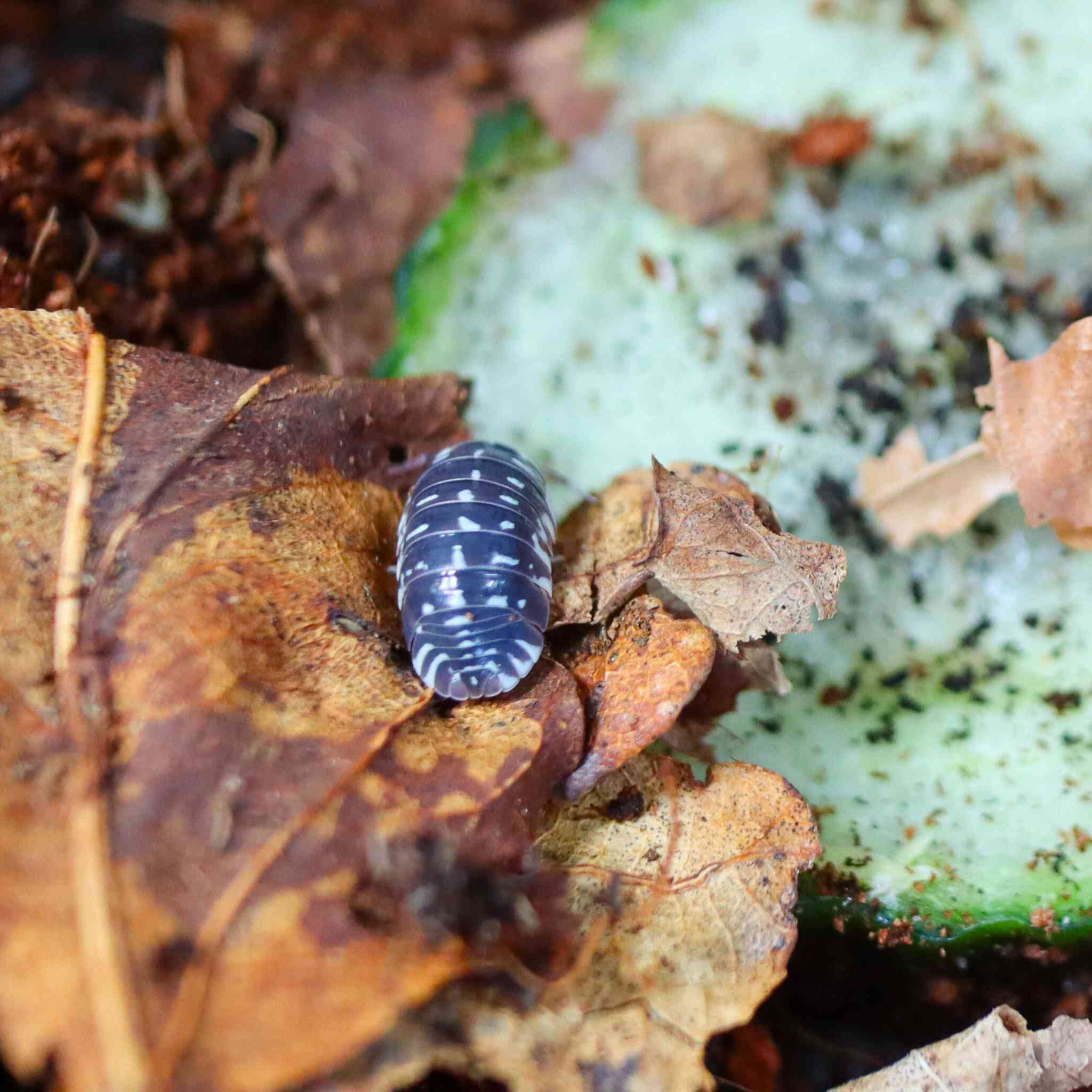
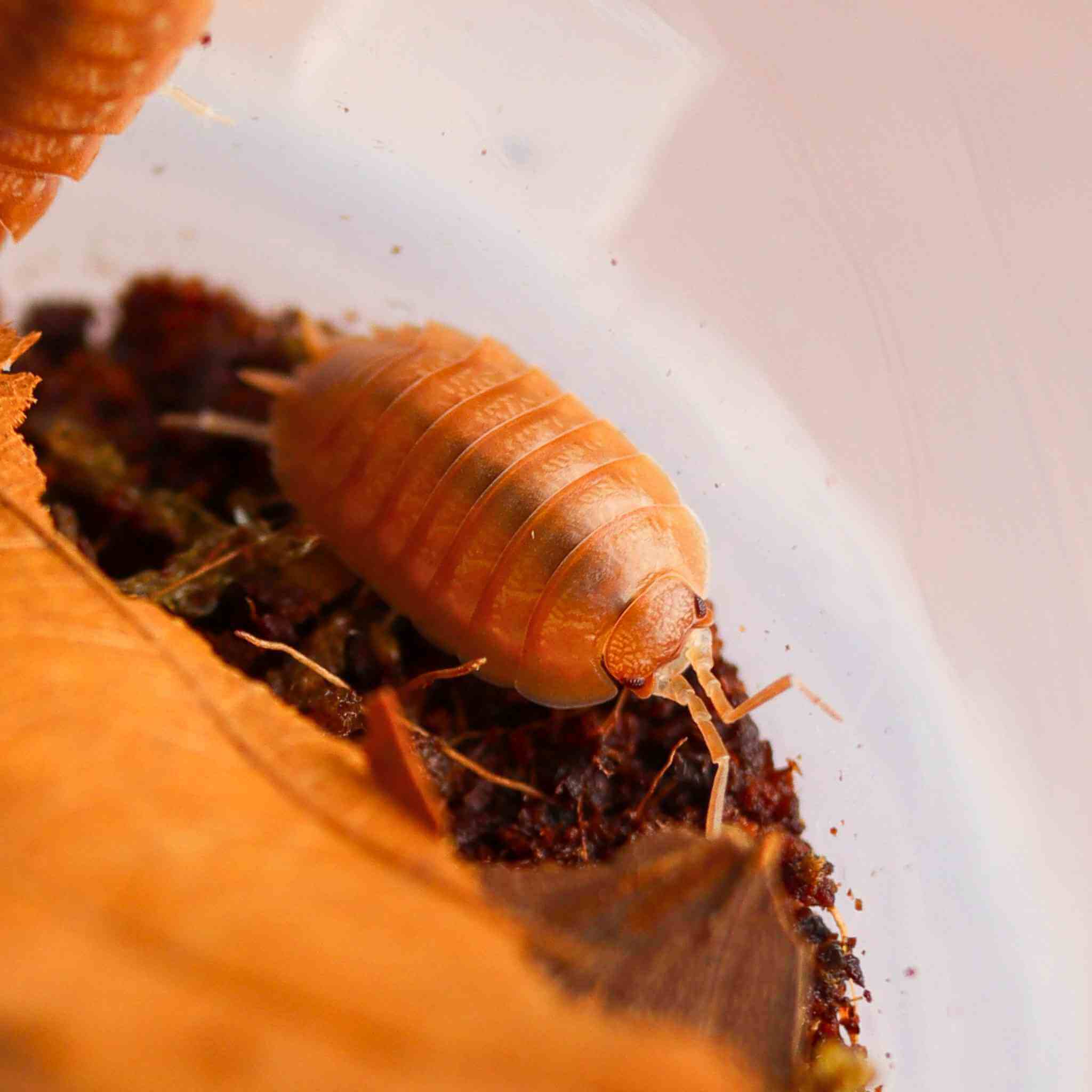
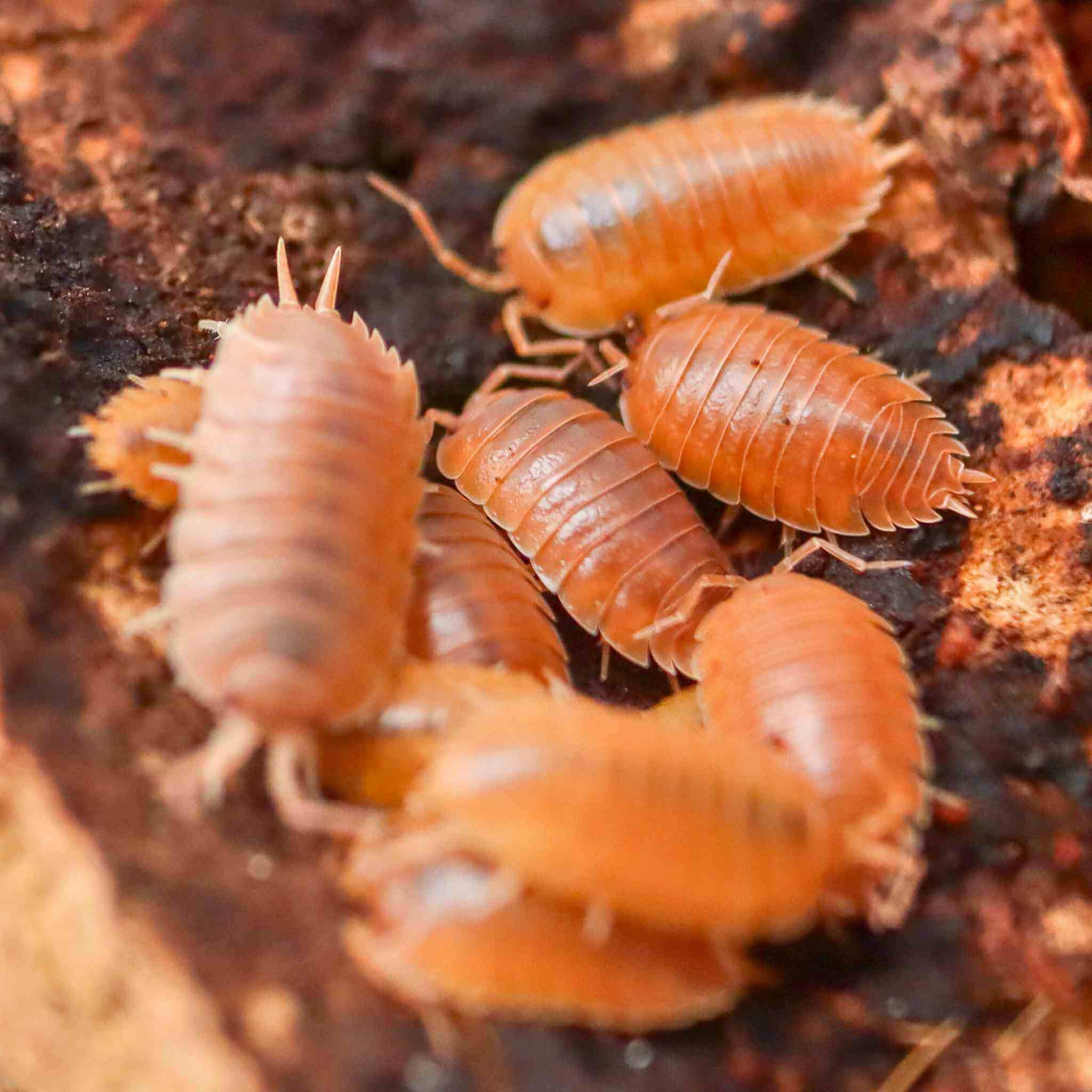

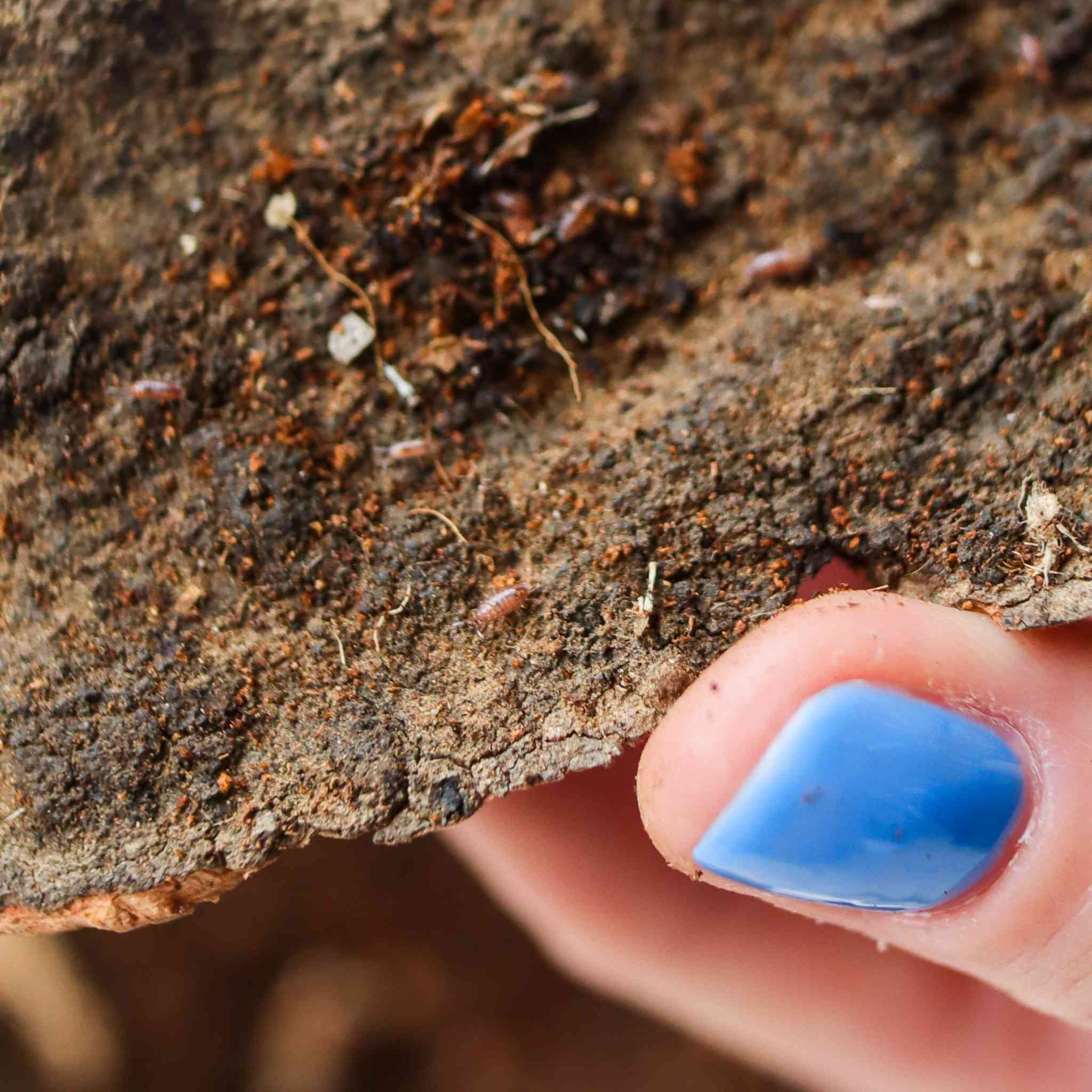
Why Trust Terrarium Tribe for Live Isopods?
Buying live isopods online should feel straightforward.
Whether you’re adding your first cleanup crew or shopping for a new species to a fresh setup, the right match makes all the difference. That's why each species is clearly labelled with guidance on suitability, temperament, and setup requirements, so you can choose with confidence.
Many perform well in terrariums and bioactive systems when matched to the right conditions, and we note where a species may require a little more experience.
We ship healthy adult isopods across the continental US in insulated packaging with seasonal temperature protection where required, backed by our Live Arrival Guarantee.
When you're ready, you can browse the available isopods above and choose the species that fits your setup.
FAQ's
Isopod pet/crew/shipping question? We got you!
Check out the most common questions our customers ask out buying isopods online (and caring for them).
For most standard planted terrariums, a 10 count is ideal. As they breed, they’ll naturally find a good population balance.
For larger installations and vivariums with predatory pressures, you may need to start with more isopods.
A standard 10 count of most of our isopod cultures will need at least a 3 gallon terrarium container. Dwarf isopods can manage in smaller containers, though they'll populate it quickly.
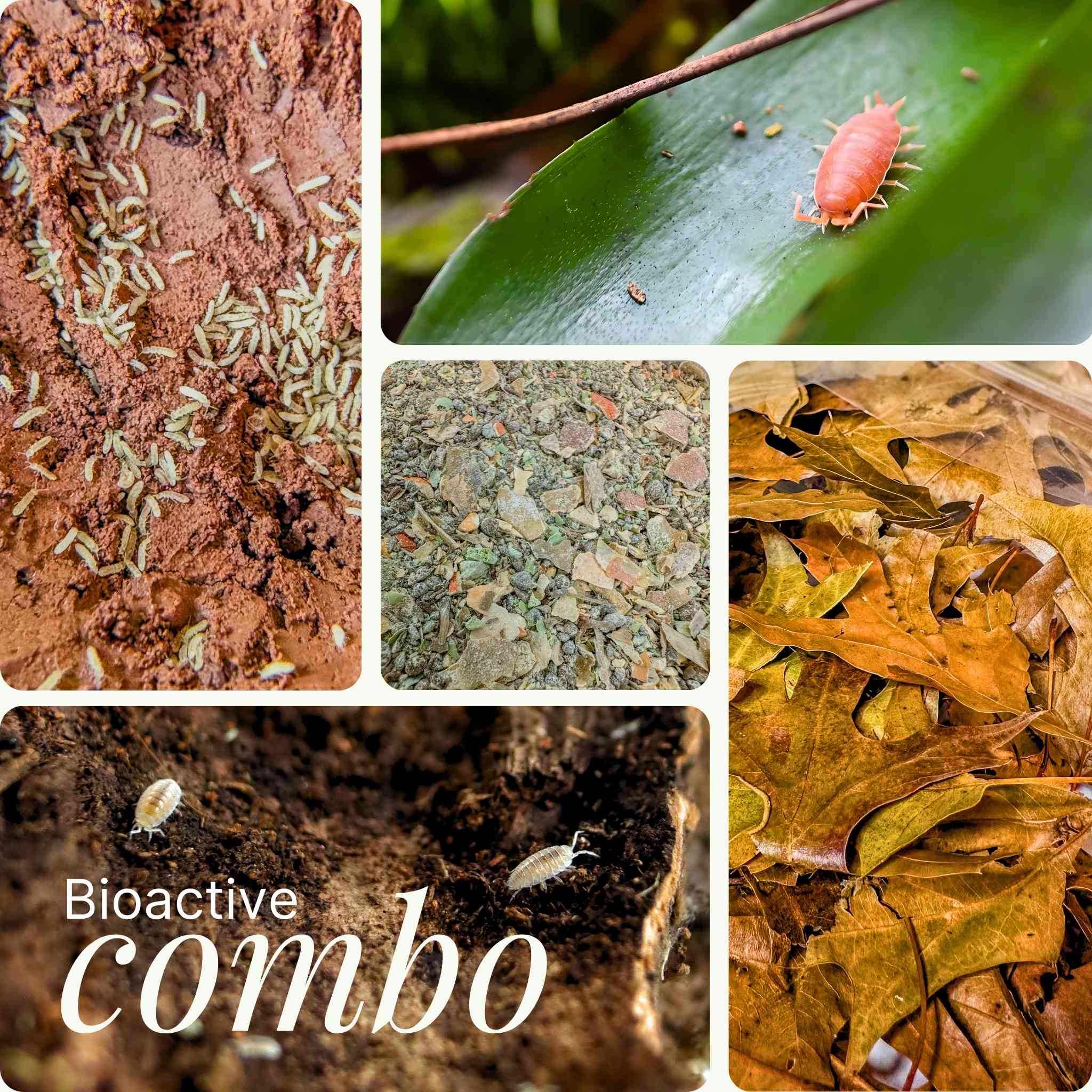
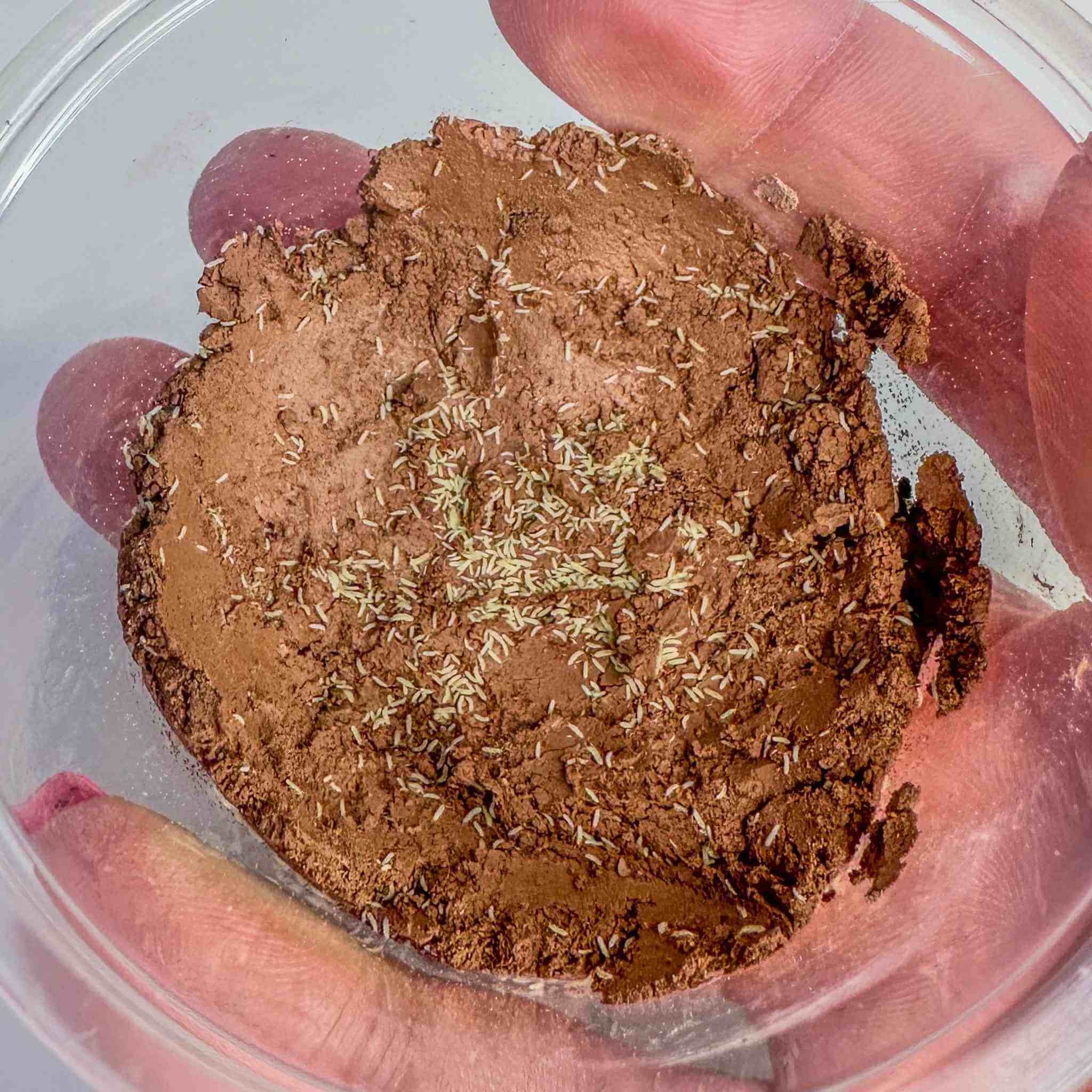
Springtails and isopods serve different functions in a bioactive terrarium, with springtails primarily tackling mold and isopods breaking down larger decomposing organic materials (see our Live Springtails).
While neither are strictly necessary, they individually bring a number of benefits and offer even more as a bioactive combo working synergistically together.
Yes, you'll need to feed your isopods. In the form of natural bioactive building blocks (e.g. leaf litter), and often direct supplementation (e.g. food scraps, formulated powders).
A staple diet of leaf litter is essential, so you’ll need to maintain a regular supply in their container. Bioactive softwoods work well too as a long-term, slow-release food source.
Once established, a balanced bioactive terrarium/vivarium can be somewhat self-supporting, but in the absence of appropriate foods, all isopods can potentially snack on live plants. So it's important to keep fueling the bioactive cycle with fresh organic material.
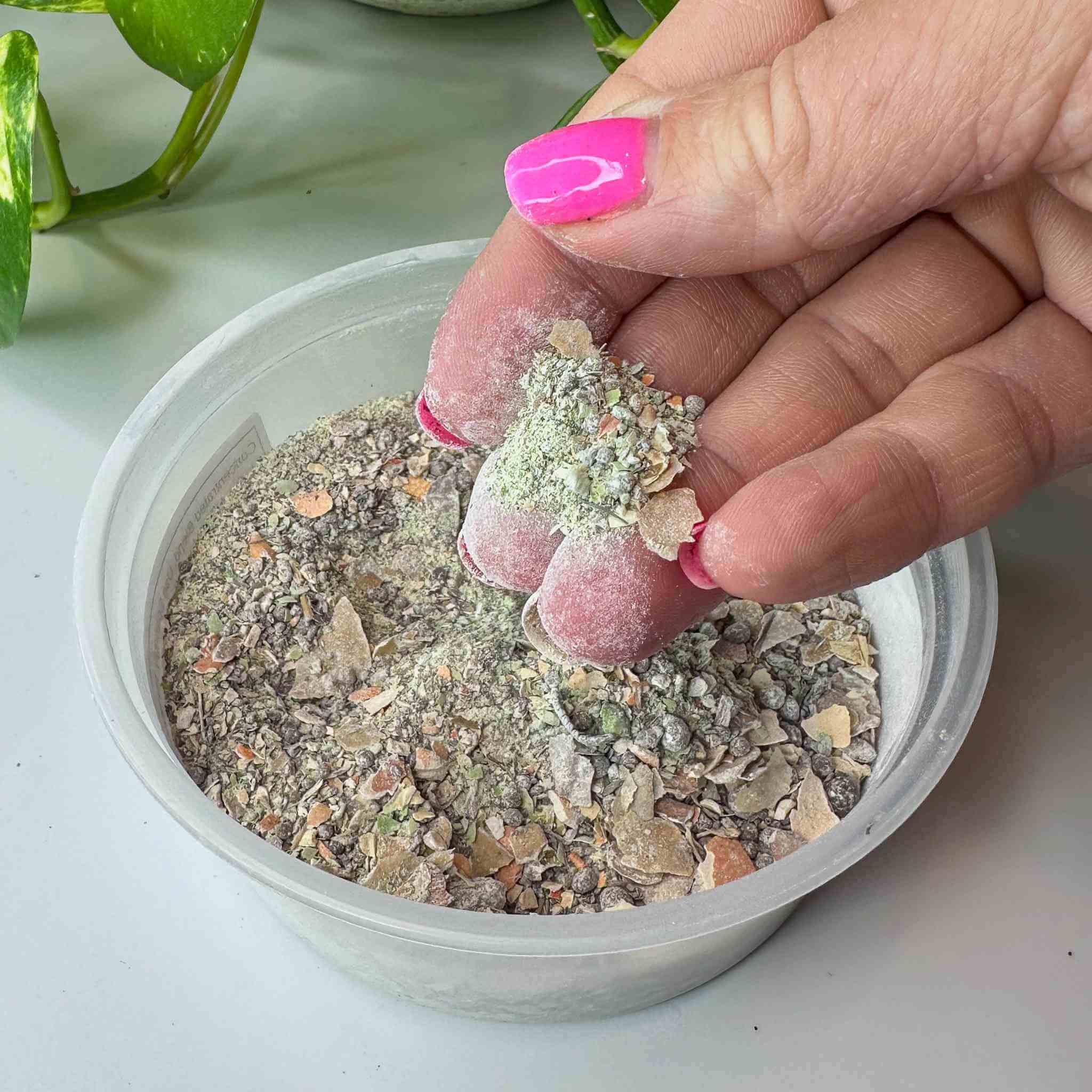
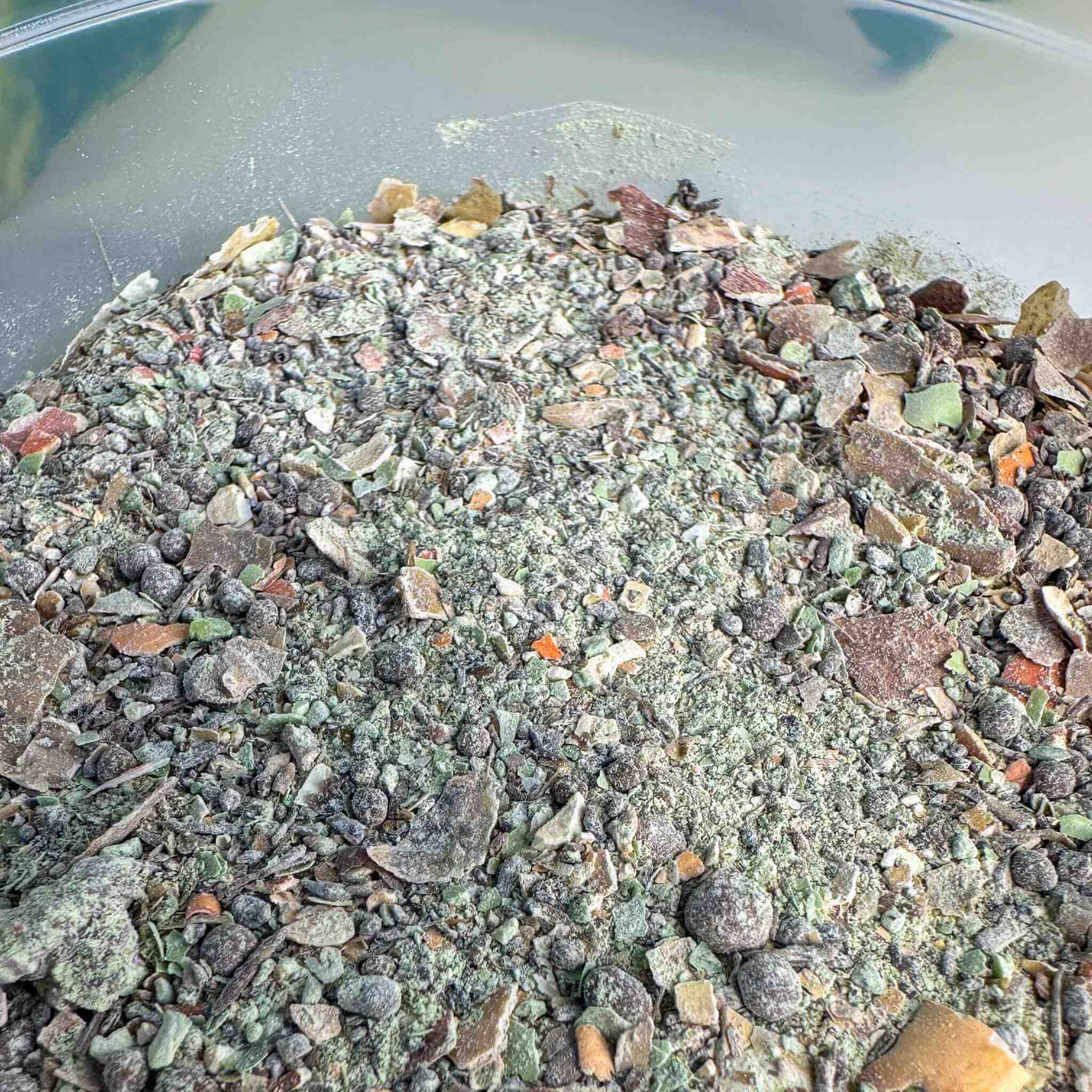
Protein- hungry species will also require some specific supplementation. We recommend a pinch of Isopod Superfood Powder every 4-7 days .
As the ecosystem and colony are established, you can reduce the frequency accordingly. When kept in culture boxes, there won’t be any decomposing terrarium matter, and you’ll need to continue frequent supplementation (a pinch every 4 days).
See our full guide to isopod food for more information.
For isopods in closed terrariums we recommend looser fitting lids and regularly opening for feeding.
When kept in culture boxes, our isopod partners, RDI, suggest that regularly opening for watering/feeding alone may provide enough ventilation.
Alternatively, drilling holes in the plastic culture container is a popular method in the hobby (though it does bring an increased risk of pests).
We recommend opening your order immediately after it arrives and checking them over. For best results, put your isopods into their new home right away; we recommend gently tipping them in along with the contents of the tub.
If that’s not possible, isopods can stay in the tub they’re in for up to a week, provided they have a leaf litter supply and you open the tub up at least every 2 days minimum for air exchange.
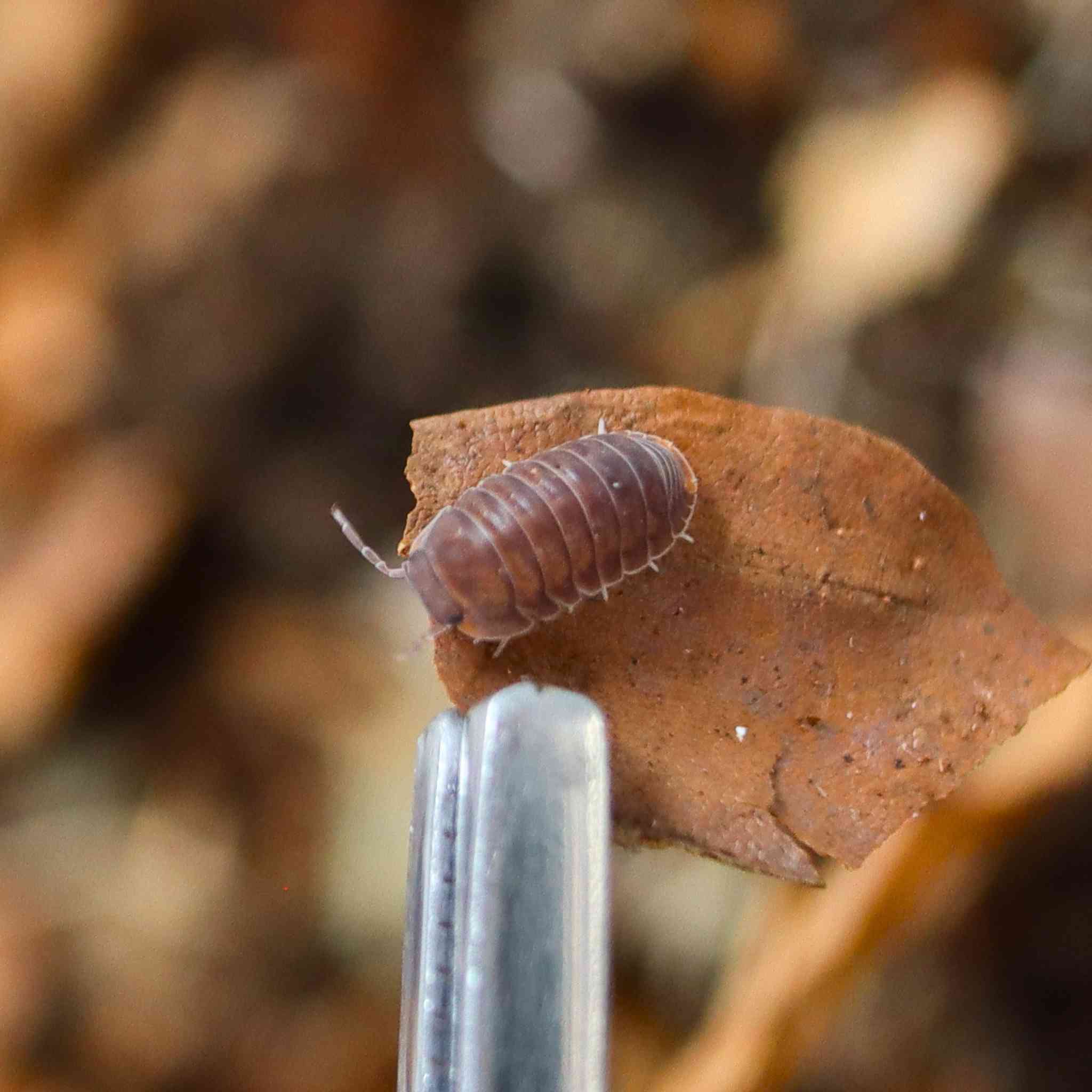
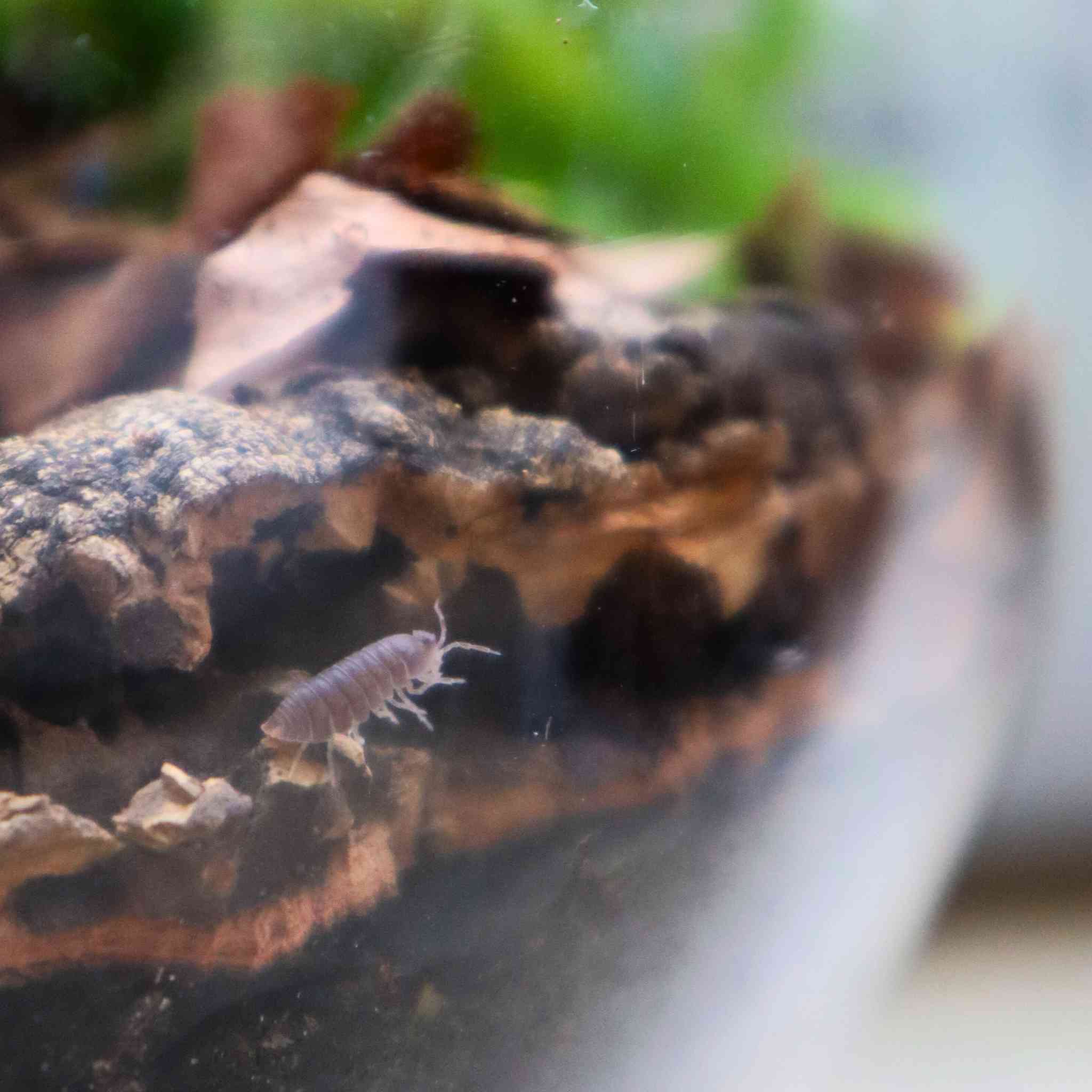
Clean up crew isopods are species selected for their large appetites and high activity, making them particularly good at breaking down and recycling organic matter in a terrarium (e.g. Dwarf Isopods).
Pet isopods are those that are especially interesting to look at, but waste management skills and terrarium suitability vary from species to species (e.g. Cubaris Isopods).